How Dangerous Is Fumigation? Essential Safety Precautions for Property Owners and Pest Control Professionals
How Dangerous Is Fumigation? Essential Safety Precautions for Property Owners and Pest Control Professionals
Fumigation is a powerful and effective method for eliminating pests from homes, commercial buildings, and stored products. However, because it involves the use of toxic gases, many property owners wonder: How dangerous is fumigation? Understanding the risks and safety measures is crucial to ensure fumigation is both effective and safe.
Understanding the Risks of Fumigation
Fumigants are highly toxic gases designed to penetrate every nook and cranny of a structure or commodity to kill pests at all life stages. Common fumigants include sulfuryl fluoride (ProFume) and phosphine. While these gases are effective, they can pose serious health risks to humans and pets if not handled properly.
Potential dangers include:
- Respiratory irritation or poisoning from inhaling fumigant gases
- Skin and eye irritation
- Fire or explosion risks with certain fumigants (e.g., phosphine)
- Environmental hazards if gases are released improperly
How Dangerous is Fumigation?
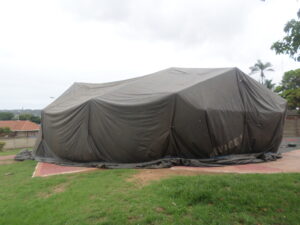
Preparation is key before fumigating your property

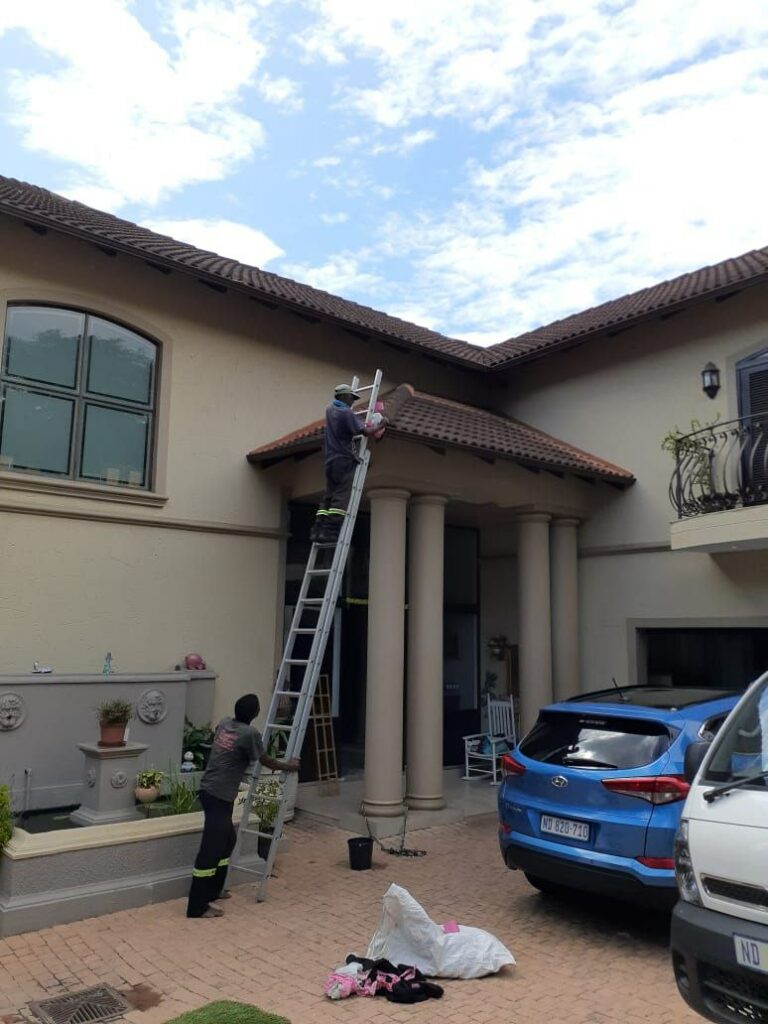
Safety Precautions for Property Owners
If your property is scheduled for fumigation, you play a vital role in ensuring safety:
1. Vacate the Premises Completely
All people, pets, and plants must leave the property during fumigation. Even brief exposure can be harmful.
2. Remove or Secure Food and Medicines
Food items should be removed or sealed as instructed. Follow the pest control company’s guidelines carefully.
3. Seal the Property as Directed
Do not open windows, doors, or vents until the fumigation company confirms it is safe.
4. Follow Re-Entry Instructions Strictly
Only return after the fumigation company has ventilated the property and confirmed gas levels are safe.
5. Inform Neighbors and Vulnerable Individuals
Notify neighbors, especially those with respiratory issues, about the fumigation schedule.
Safety Protocols for Professional Pest Control Companies
Licensed fumigation professionals follow strict protocols to minimize risks:
1. Comprehensive Training and Certification
Technicians undergo rigorous training, such as ProFume Stewardship, covering safe handling, application, and emergency procedures.
2. Use of Specialized Equipment
Gas monitoring devices, protective gear, and sealing materials ensure controlled fumigant application and safety.
3. Pre-Fumigation Inspection and Preparation
Professionals assess the site, advise on preparation, and ensure all safety measures are in place.
4. Strict Adherence to Regulations
Compliance with local laws and environmental guidelines protects people and ecosystems.
5. Post-Fumigation Ventilation and Testing
Before allowing re-entry, technicians ventilate the area and test gas levels to confirm safety.
Conclusion: Fumigation Is Safe When Done Right
While fumigation involves hazardous substances, it is safe and effective when performed by trained professionals following strict safety protocols. Property owners must cooperate fully with preparation and re-entry instructions to protect themselves and their families.
If you’re considering fumigation, choose a reputable, licensed pest control company with certified fumigators and a strong safety record. Proper fumigation protects your property from pests while safeguarding your health and the environment.
Fumico is committed to providing trusted information on safe pest control practices. For expert fumigation services and advice, contact us today.