Effective Wood Borer Treatment in South Africa: Why Sulfuryl Fluoride (ProFume) is the Gold Standard
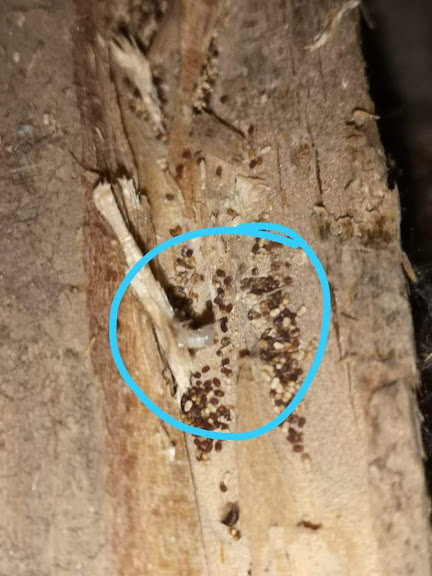
Wood borer infestations represent a significant threat to the structural integrity of South African properties, from historic Cape Dutch homesteads to modern timber-framed developments. These silent destroyers, often unnoticed until substantial damage has occurred, require a specialized approach to eradication. For property owners and fumigation professionals alike, understanding the nuances of wood borer treatment is essential to protecting valuable timber assets and ensuring long-term structural safety.
Common Wood Borer Species in South Africa
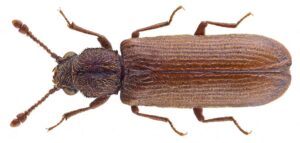
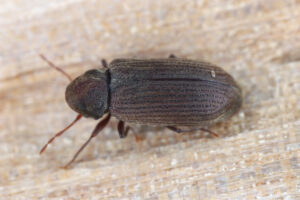
The term “wood borer” encompasses several beetle species whose larvae feed on wood, creating intricate tunnel networks. In South Africa, the most prevalent threats include the Common Furniture Beetle (Anobium punctatum), which typically targets softwoods and older furniture, and the Powder Post Beetle (Lyctidae), known for reducing hardwoods to a fine, flour-like dust. Additionally, the House Longhorn Beetle (Hylotrupes bajulus) poses a severe risk to structural roof timbers, particularly in coastal regions. Identifying the specific species is the first step, but selecting a treatment that addresses the entire life cycle of the pest is the only way to ensure complete eradication.
Powder Post Beetle can reduce hardwood to dust
Common Furniture Beetle favors soft woods and old furniture
Evaluating Different Wood Borer Treatments
Property owners often choose between localized surface treatments and comprehensive fumigation. While surface-applied insecticides and borate-based sprays can be effective for prevention or treating very shallow infestations, they often fail to reach larvae buried deep within the wood. Heat treatment is another alternative, utilizing high temperatures to eliminate pests; however, its application is often limited by the size of the structure and the potential for heat-related damage to sensitive materials.
Fumigation remains the most reliable method for total wood borer elimination. By using a gaseous fumigant, the treatment penetrates every millimeter of the structure, reaching pests in areas that are otherwise inaccessible. This “whole-structure” approach ensures that no pocket of infestation is left behind, providing a level of certainty that topical treatments simply cannot match.
The Power of Sulfuryl Fluoride (ProFume) Against All Life Stages
The introduction of Sulfuryl Fluoride, commercially known as ProFume® fumigant gas, has revolutionized wood borer control in South Africa. One of its most significant advantages is its effectiveness against all life stages of the wood borer, including eggs, larvae, pupae, and adults. While the egg stage of many insects is naturally more resistant to chemical treatments, ProFume® can be precisely dosed using a “gram-hour” calculation (concentration multiplied by exposure time) to ensure total mortality.
ProFume® works by disrupting the glycolysis cycle in insects, preventing them from metabolizing stored energy reserves. This metabolic block is lethal across the board. For wood-boring beetles, where larvae can spend years hidden deep inside timber before emerging as adults, this deep-penetrating gaseous action is critical. By eliminating the eggs and larvae before they can cause further damage or mature into the next generation, ProFume® provides a definitive solution to even the most stubborn infestations.
Sulfuryl Fluoride vs. Methyl Bromide: A Detailed Comparison
For decades, Methyl Bromide was the industry standard for fumigation. However, due to its role in ozone depletion, it has been phased out globally under the Montreal Protocol. Sulfuryl Fluoride (ProFume®) has emerged not just as a replacement, but as a superior alternative in several key performance areas.

Sulfuryl Fluoride vs Methyl Bromide
Comprehensive Comparison for Wood Borer Treatment
| Feature | Sulfuryl Fluoride (ProFume®) | Methyl Bromide |
|---|---|---|
| Penetration Power | Superior; penetrates dense wood faster and more deeply. | Effective, but significantly slower than Sulfuryl Fluoride. |
| Aeration & Residue | Rapid aeration; leaves no detectable residue or odors. | Slower aeration; can react with materials to create “skunk” odors. |
| Material Safety | Non-corrosive and safe for electronics, metals, and fine art. | Can be reactive with certain sulfur-containing materials. |
| Environmental Impact | Non-ozone depleting; the modern, sustainable choice. | Significant ozone-depleting potential (phased out). |
| Operational Efficiency | Shorter exposure times possible due to rapid penetration. | Requires longer standard exposure periods. |
Why ProFume® is the Preferred Choice for South African Property
Beyond its efficacy, ProFume® offers practical benefits that make it the preferred choice for residential and commercial fumigation. It is completely odorless and colorless, ensuring that there are no lingering “chemical smells” after the aeration process is complete. Furthermore, because it is non-corrosive and non-reactive, it poses no risk to modern household essentials like computers, televisions, or copper piping.
For the export industry, ProFume® is also a vital tool for ISPM 15 compliance. As international markets demand pest-free timber packaging and products, Sulfuryl Fluoride provides a globally accepted, high-performance solution that meets stringent quarantine requirements without compromising the quality of the goods.
Conclusion: Partnering with the Experts
Effective wood borer control requires more than just the right chemical; it requires technical expertise and field experience. As the official national distributors for ProFume® Sulfuryl Fluoride in South Africa, Fumico provides the industry with the supplies and technical support needed to tackle the toughest infestations. Whether you are a professional fumigator or a property owner seeking the best protection for your investment, choosing ProFume® ensures a scientifically proven, environmentally responsible, and total solution to wood borer problems.
Imported Pests
Pests Imported to South Africa
Our global economy has opened trade between many diverse countries across continents. Unfortuntely, commodity exchanges have also resulted in pest imports too. Pests that have been imported to South Africa include the wheat curl mite, the fall army worm and the oriental fruit fly. These pests can have serious consequences for agriculture, the economy and biodiversity.
Examples of imported pests to South Africa
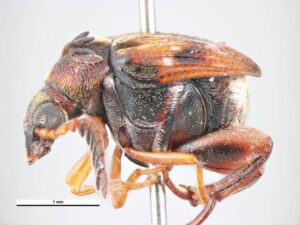
Studies have identified several prevalent intercepted pests like Callosobruchus species of beetle which attack legumes. Dysmicoccus brevipes known as the mealybug and Phyllosticta citricarpa commonly named citrus black spot.
Callosbruchus Species
Citrus Black Spot
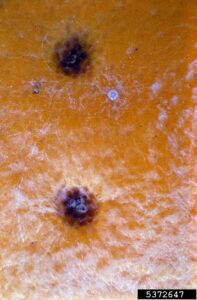
Potential impact of imported pests to South Africa
The illegal importation of plant commodities can introduce pests that can have negative impacts on South Africa’s agriculture, economy and biodiversity. A pest without a natural predator to contain it’s spread, can quickly dessimate flora and fauna in a new territory.
High risk commodities:
Fresh fruits are the most common source of imported pests, followed by grains and vegetables.
Prevention and control
South Africa’s Plant Health (Phytosanitary) Policy aims to prevent the introduction of quarantine pests. The policy also aims to control and mitigate the spread of pests.
Possible pest threats
These pests are currently controlled, but could pose a threat in South Africa.
Wheat curl mite (Aceria tosichella)
This is a tiny, white mite that can causes wheat yield losses but also transmits viruses such as the wheat streak mosaic virus whish is a destructive wheat disease. This mite has caused extensive damage in many parts of the world and could be introduced through maize, live plant and seed imports. Read more “Alien pest to wheat and maize could pose a threat to South Africa.”
Fall army worm
A migratory pest that can cause serious damage to maize crops. It has been detected in several provinces in South Africa.
Oriental fruit fly
A pest that has not yet established itself in certain parts of South Africa.
Related research
Research on imported pests in South Africa indicates that fresh fruits are the primary source of intercepted pests, with the most commonly identified pests including the Callosobruchus rhodesianus, Dysmicoccus brevipes, Callosobruchus maculates, and Phyllosticta citricarpa, highlighting the need for stricter border controls and phytosanitary policies to prevent the introduction of new invasive species that could harm South African agriculture and biodiversity.
Wood Borer
Wood Borer Fumigation in South Africa
The warm, humid conditions of the region are ideal for both hardwood and soft wood pests. Woodboring beetles (encompassing larval and adult phases of life) are uniquely destructive pests which cause extensive damage to building structures. Wood borer fumigation in South Africa underwent a transformative process when sulfuryl fluoride was introduced in 2019. This fumigant gas has proved more efficient and cost effective in the treatment of wood borer than its commonly used predecessor, methyl bromide.
Types of Wood Borer
Common Furniture Beetle (Anobium punctatum): This species is notorious for attacking softwoods, like pine, used in furniture and structural timbers. Their presence is detected by small, round exit holes in the wood.
Powderpost Beetles (Lyctidae family): These beetles prefer hardwoods and their larvae can reduce wood to a fine, flour-like powder – hence the name.
Deathwatch Beetle (Xestobium rufovillosum): Often associated with old buildings, these beetles thrive in damp conditions and are known for the ticking sound they produce. Historically, this was seen as an omen of death.
Signs of wood borer
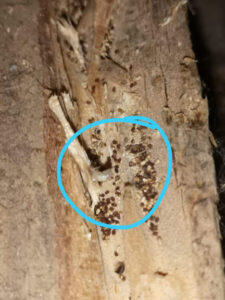
Powderpost beetle
Effectiveness of sulfuryl fluoride (ProFume) on wood boring pests
Dow Chemicals first developed sulfuryl fluoride as a fumigant gas to treat drywood pests in the 1950’s and marketed it under the name ‘Vikane gas fumigant’ in 1961. Sulfuryl fluoride was introduced to South Africa in 2019 under the brand name ProFume fumigant gas as an alternate to methyl bromide. Methyl bromide is being phased out globally for it’s ozone depleting action. To date, sulfuryl fluoride has been used to fumigate millions of historic, landmark buildings in the USA and Europe and South African fumigators have reported 100% effectiveness on all life stages of wood boring pests.
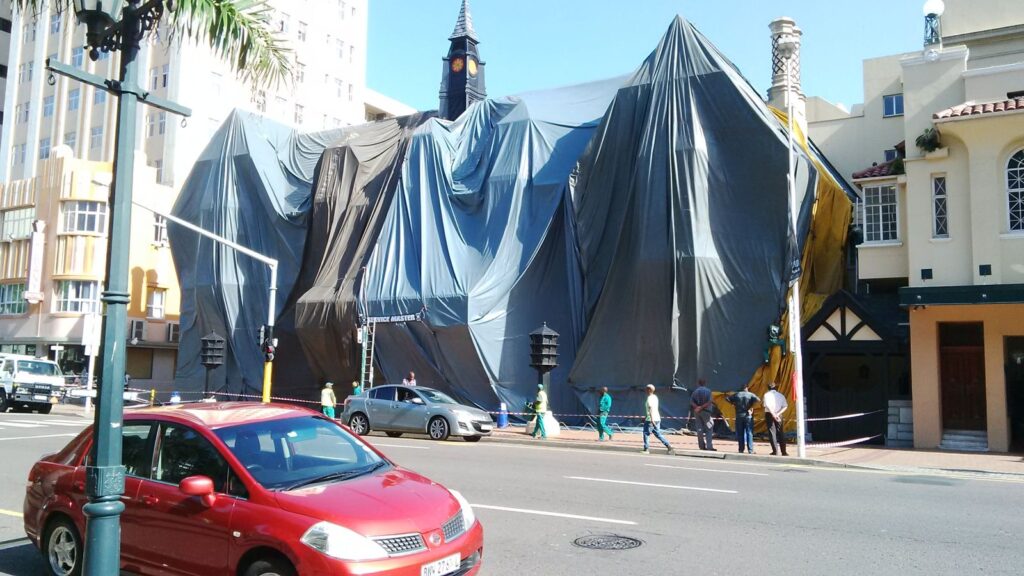
The historic Playhouse Theatre in Durban is designed in the English Renaissance style with black and white exterior, heavy oaken doors and hitching posts. The extent of oak pannelling and heavy wooden trusses in the interior means drywood pests are always a concern.
Cost effectiveness of sulfuryl fluoride for structural fumigation
Although the per kilogram cost of sulfuryl fluoride compared to methyl bromide is higher, the efficacy rate means less chemical is required. Fumigators have reported a 66% cost saving when comparing sulfuryl fluoride application with methyl bromide fumigation on drywood termites.
FAQs about wood borer control and fumigation with sulfuryl fluoride (ProFume)
Q1: What are the early signs of a wood borer infestation?
A: Early signs include small, round exit holes in wooden surfaces, a fine powdery substance known as frass and weakened or crumbling wood. You may hear faint tapping or rustling noises coming from within the wood. These are the sounds of the larvae feeding.
Q2: How can I prevent wood borers from infesting my property?
A: Proper ventilation, dry wood and sealed cracks or gaps help to prevent wood borer infestation. All wood used for construction should be treated. Schedule regular inspections from a professional pest control service to manage any problem before it gets worse.
Q3: Are the chemicals in ProFume safe for my family and pets?
A: Fumigation using ProFume is only done by trained professionals. The site is evacuated for the duration of the treatment and can only be accessed once the site has been ventilated and gas levels have dissipated post treatment.
Q4: How often should I have my property inspected for wood borers?
A: We recommend an annual property inspection if you live in an area prone to wood borer activity (warm and humid conditions). Regular inspections allow for early detection of any infestations which can be treated promptly before they cause significant damage.
Wood borers may be small, but the damage they can inflict on property is substantial. Understand the threat they pose and implement both preventive measures and professional control methods to protect your home or business. With proper care, including regular inspections and moisture control, you can significantly reduce the risk of a wood borer infestation. Should an infestation occur, use a professional pest control service to effectively eliminate these pests and safeguard the integrity of your wooden structures.