Wood Borer Fumigation in South Africa
The warm, humid conditions of the region are ideal for both hardwood and soft wood pests. Woodboring beetles (encompassing larval and adult phases of life) are uniquely destructive pests which cause extensive damage to building structures. Wood borer fumigation in South Africa underwent a transformative process when sulfuryl fluoride was introduced in 2019. This fumigant gas has proved more efficient and cost effective in the treatment of wood borer than its commonly used predecessor, methyl bromide.
Types of Wood Borer
Common Furniture Beetle (Anobium punctatum): This species is notorious for attacking softwoods, like pine, used in furniture and structural timbers. Their presence is detected by small, round exit holes in the wood.
Powderpost Beetles (Lyctidae family): These beetles prefer hardwoods and their larvae can reduce wood to a fine, flour-like powder – hence the name.
Deathwatch Beetle (Xestobium rufovillosum): Often associated with old buildings, these beetles thrive in damp conditions and are known for the ticking sound they produce. Historically, this was seen as an omen of death.
Signs of wood borer
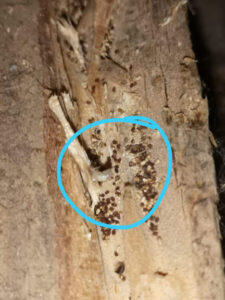
Powderpost beetle
Effectiveness of sulfuryl fluoride (ProFume) on wood boring pests
Dow Chemicals first developed sulfuryl fluoride as a fumigant gas to treat drywood pests in the 1950’s and marketed it under the name ‘Vikane gas fumigant’ in 1961. Sulfuryl fluoride was introduced to South Africa in 2019 under the brand name ProFume fumigant gas as an alternate to methyl bromide. Methyl bromide is being phased out globally for it’s ozone depleting action. To date, sulfuryl fluoride has been used to fumigate millions of historic, landmark buildings in the USA and Europe and South African fumigators have reported 100% effectiveness on all life stages of wood boring pests.
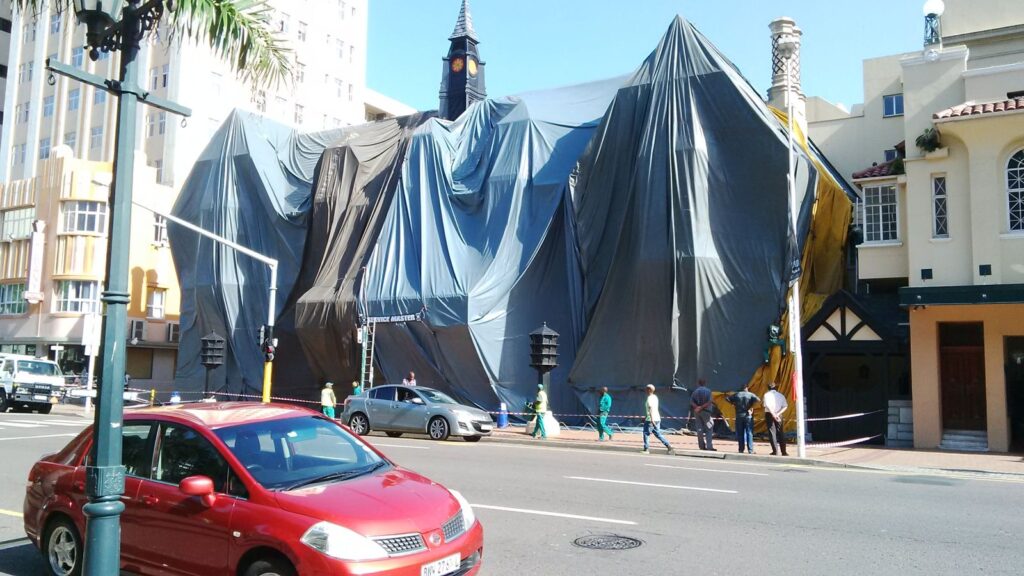
The historic Playhouse Theatre in Durban is designed in the English Renaissance style with black and white exterior, heavy oaken doors and hitching posts. The extent of oak pannelling and heavy wooden trusses in the interior means drywood pests are always a concern.
Cost effectiveness of sulfuryl fluoride for structural fumigation
Although the per kilogram cost of sulfuryl fluoride compared to methyl bromide is higher, the efficacy rate means less chemical is required. Fumigators have reported a 66% cost saving when comparing sulfuryl fluoride application with methyl bromide fumigation on drywood termites.
FAQs about wood borer control and fumigation with sulfuryl fluoride (ProFume)
Q1: What are the early signs of a wood borer infestation?
A: Early signs include small, round exit holes in wooden surfaces, a fine powdery substance known as frass and weakened or crumbling wood. You may hear faint tapping or rustling noises coming from within the wood. These are the sounds of the larvae feeding.
Q2: How can I prevent wood borers from infesting my property?
A: Proper ventilation, dry wood and sealed cracks or gaps help to prevent wood borer infestation. All wood used for construction should be treated. Schedule regular inspections from a professional pest control service to manage any problem before it gets worse.
Q3: Are the chemicals in ProFume safe for my family and pets?
A: Fumigation using ProFume is only done by trained professionals. The site is evacuated for the duration of the treatment and can only be accessed once the site has been ventilated and gas levels have dissipated post treatment.
Q4: How often should I have my property inspected for wood borers?
A: We recommend an annual property inspection if you live in an area prone to wood borer activity (warm and humid conditions). Regular inspections allow for early detection of any infestations which can be treated promptly before they cause significant damage.
Wood borers may be small, but the damage they can inflict on property is substantial. Understand the threat they pose and implement both preventive measures and professional control methods to protect your home or business. With proper care, including regular inspections and moisture control, you can significantly reduce the risk of a wood borer infestation. Should an infestation occur, use a professional pest control service to effectively eliminate these pests and safeguard the integrity of your wooden structures.
Hardwood Pests and how to treat an infestation.
Saw mills are particularly vulnerable to hardwood pests such as the Powder Post Beetle (Lyctus Brunneas) which actually feed of the sapwood rather than the wood itself. The Powder Post Beetle is often attracted to the joinery of structures which is often constructed from Meranti or similar hard woods.
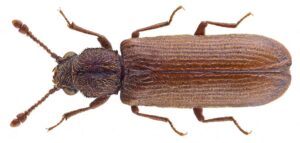
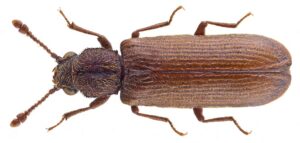 Powder Post Beetle: Identification
Adult Powder-Post beetles are long, flattened and elongated in appearance. They are reddish brown to black in colour and up to 7 mm in length. Larvae are cream coloured, C-shaped and with a dark head with jaws. Larvae are 5 mm in length when fully grown. The antenna of adult beetles have a clubbed appearance. The developing larvae inflict
serious damage to dry, seasoned hardwood, reducing the wood to a flour like powder. Infestations are typically
discovered after noticing powder accompanied by small round shot holes (exit holes) in the wood surface.
Biology
After mating, the female beetle seeks a suitable place to lay her eggs; usually on bare, unfinished hardwood
timber. Females bite into the surface of hardwood, leaving a series of grooves on the surface. These tasting marks are said to both determine whether the timber contains starch, which is the essential diet of larvae, and to expose wood pores for egg laying.
The eggs hatch and bore into the wood. The insects can emerge as adults one to five years later. Tunnelling and larval development take place entirely below the surface of wood. The average female Powder-Post Beetle lays about 50 eggs at a time.
Signs of Hardwood Pests
Powder-Post Beetles feed on t he sapwood of hardwood. They do not feed on softwood. These beetles are attracted to joinery in structures where most are built with hardwood such as Meranti.
Most attacks take place at the saw mill, in logs or drying planks of sawn timber. Evidence of infestation may not become apparent until the timber is in-service and adults begin to emerge. The entire infested area may be reduced to powder leaving only the shell of wood on the outside, perforated with shot holes (exit holes). Small piles of flour like powder may be found where a gallery has broken the surface or where an adult beetle has emerged.
Control Measures
Three methods of control are available for Powder-Post beetle (Lyctus brunneas):
1) Powder-Post beetles only attack the sapwood of hard wood and not the heartwood. Remove the sapwood from
hardwood and this will prevent these beetles from attacking the wood.
2) Remove and replace all infested wood.
3) Fumigation with toxic gases. Entire structures or infested articles can be successfully fumigated with ProFume.
ProFume (Sulphuryl Fluoride)
Precision fumigation using ProFume Gas (sulphuryl fluoride) is proven effective against all life stages of a broad spectrum of wood destroying insects which includes The Powder-Post Beetle (Lyctus brunneas). Structures, wooden furniture, tribal masks and other articles crafted from hardwood can all be successfully fumigated.
Do you have an infestation?
We are happy to answer any further questions you have. Contact us
Email us: info@fumico.co.za
WhatsApp/ Telegram Messenger: 064 605 7317
Please check into our Facebook Page for regular updates?