Pests Imported to South Africa
Our global economy has opened trade between many diverse countries across continents. Unfortuntely, commodity exchanges have also resulted in pest imports too. Pests that have been imported to South Africa include the wheat curl mite, the fall army worm and the oriental fruit fly. These pests can have serious consequences for agriculture, the economy and biodiversity.
Examples of imported pests to South Africa
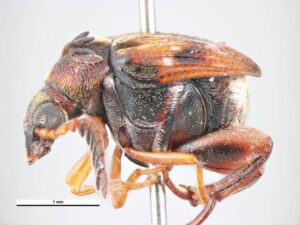
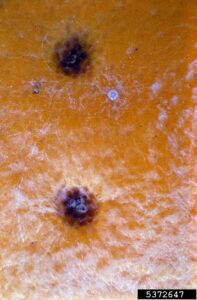
Studies have identified several prevalent intercepted pests like Callosobruchus species of beetle which attack legumes. Dysmicoccus brevipes known as the mealybug and Phyllosticta citricarpa commonly named citrus black spot.
Callosbruchus Species
Citrus Black Spot
Potential impact of imported pests to South Africa
The illegal importation of plant commodities can introduce pests that can have negative impacts on South Africa’s agriculture, economy and biodiversity. A pest without a natural predator to contain it’s spread, can quickly dessimate flora and fauna in a new territory.
High risk commodities:
Fresh fruits are the most common source of imported pests, followed by grains and vegetables.
Prevention and control
South Africa’s Plant Health (Phytosanitary) Policy aims to prevent the introduction of quarantine pests. The policy also aims to control and mitigate the spread of pests.
Possible pest threats
These pests are currently controlled, but could pose a threat in South Africa.
Wheat curl mite (Aceria tosichella)
This is a tiny, white mite that can causes wheat yield losses but also transmits viruses such as the wheat streak mosaic virus whish is a destructive wheat disease. This mite has caused extensive damage in many parts of the world and could be introduced through maize, live plant and seed imports. Read more “Alien pest to wheat and maize could pose a threat to South Africa.”
Fall army worm
A migratory pest that can cause serious damage to maize crops. It has been detected in several provinces in South Africa.
Oriental fruit fly
A pest that has not yet established itself in certain parts of South Africa.
Related research
Research on imported pests in South Africa indicates that fresh fruits are the primary source of intercepted pests, with the most commonly identified pests including the Callosobruchus rhodesianus, Dysmicoccus brevipes, Callosobruchus maculates, and Phyllosticta citricarpa, highlighting the need for stricter border controls and phytosanitary policies to prevent the introduction of new invasive species that could harm South African agriculture and biodiversity.
Sulfuryl Fluoride
Everything you need to know about Sulfuryl Fluoride
Dow Chemical developed sulfuryl fluoride in the 1950’s to control drywood termites. It was then registered as an insecticide and rodenticide in 1959. This is everything you need to know about sulfuryl fluoride, sold in South Africa under the brand name ProFume® Fumigant Gas.
Sulfuryl fluoride is an odourless gas which is both nonflammable and non explodable. It is stable to store in a steel cylinder for up to 6 years. Although the chemical is in a gas state at atmospheric pressure, it is sold as a pressurized liquefied gas. This is everything you need to know about sulfuryl fluoride.
Background of sulfuryl fluoride fumigant gas
The Dow Chemical Company developed sulfuryl fluoride as a structural fumigant and marketed it as Vikane® in 1961. More than 3 million priceless structures such as cathedrals, historical landmarks and rare-book libraries as well as scientific and medical research laboratories containing highly sensitive electronic equipment have been successfully fumigated with sulfuryl fluoride.
Structure-infesting pests cause costly damage to older homes in warmer climates. Extensive damage from termites and wood-boring beetles may occur before the pests are even noted. Although South Africa’s brick and mortar homes may not collapse as a timber-built home in Florida, USA could, roof trusses, hardwood flooring, wooden bannisters, window frames and of course cupboards and furnishings are at risk to termites and woodborer in warm, humid zones such as Durban, KZN.
Tented fumigation using sulfuryl fluoride has thus far shown 100% efficacy through all life phases of these notorious, hard to reach pests. Cockroaches, rodents and bed-bugs are also eliminated with sulfuryl fluoride treatment.
Postharvest breakthrough with sulfuryl fluoride in 1990’s
Postharvest losses in the United States was estimated at $5 billion per year (Pimental 1991). Insects that infested grains, dried fruits and tree nuts in mills, warehouses and food storage facilities meant product losses. Traditionally, methyl bromide was used to combat postharvest pests but the ozone depleting character of methyl bromide required an alternate solution (per the Montreal Protocol).
In 1995, Dow AgroSciences formed partnerships with leading stored product researchers, fumigators and food industries around the world to evaluate and develop sulfuryl fluoride as a postharvest fumigant. It has proven an effective treatment for all life stages of pest in the postharvest sphere, including phosphine-resistant pests.
Sulfuryl fluoride in South Africa
Fumico is one of two licensed distributors of sulfuryl fluoride in South Africa. It is manufactured and sold under the brand name ProFume® Fumigant Gas. The first fumigation using ProFume was undertaken by us on 8 April 2019
Sulfuryl Fluoride Fumigant Gas
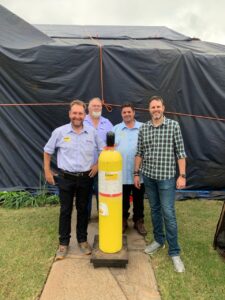
Practical Fumigation with Sulfuryl Fluoride
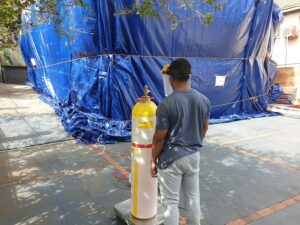
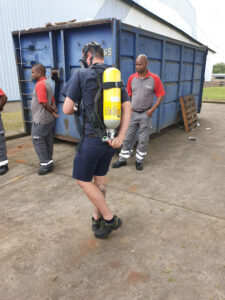

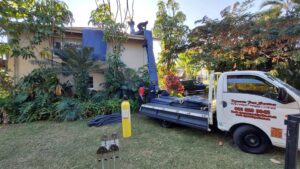
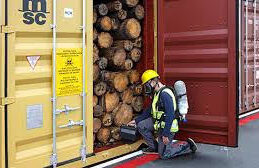
Uses of Sulfuryl Fluoride
Sulfuryl fluoride is introduced into structures as a gas which fills all air spaces in the enclosed area and penetrate cracks, crevices and pores in the wood. The gas penetrates materials quickly and rapidly but dissipates during the ventilation process. It has been widely used as a fumigant to kill both the eggs and adults of insects such as cockroaches, termites, beetles, moths and flies after exposure of 16–22 hours with a concentration range from 0.5 to 3.5 and 5–77 g m−3 for LD95 for adults and eggs, respectively. Sufuryl fluoride is also used (successfully) on postembryonic forms of fleas, rodents, ants, bees, wasps, spiders, millipedes, bedbugs, silverfish, springtails, earwigs, fire- brats, book lice, and brown dog ticks.
It is crucial to contain sulfuryl fluoride for a sufficient period of time so tenting is used around the structure during fumigation. Any opening is sealed (door frames, window frames, key locks or drainage pipes for example) using a specialized ‘Pink Tape‘. Traditional masking tapes or duct tape are too porous to contain sulfuryl fluoride molecules.
Mechanism of action of sulfuryl fluoride on pest infestations
Sulfuryl fluoride has a complex mode of action. It is thought to be toxic primarily through the action of the fluoride ion which it contains. It inhibits oxygen uptake, disturbs the normal phosphate balance, and inhibits hydrolysis (breakdown) of fatty acids. The fluoride ion in sulfuryl fluoride is thought to bind to calcium (leading to spasms and seizures) as well as potassium and magnesium. Enzymes which require a magnesium ion for their normal function are inhibited by sulfuryl fluoride; these enzymes include enolases (used to metabolize sugar) and ATPase, an enzyme that is important in cellular energy metabolism. The end result is that sulfuryl fluoride prevents stored fats from being utilized, and there is insufficient energy for survival.
You can read more about the chemical action and interactions of sulfuryl fluoride here: Fact Sheet from the Journal of Pesticide Reform
Toxicity management of sulfuryl fluoride
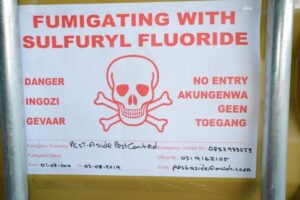
Sulfuryl fluoride is “an extremely hazardous gas.” The most straightforward demonstration of its acute toxicity are the classifications and restrictions placed on itsuse by the U.S. Environmental Protection Agency (EPA). EPA classifies sulfuryl fluoride as a restricted use pesticide. This means that the pesticide must be used by or under the supervision of a certified applicator who is wearing protective clothing. Sulfuryl fluoride is also labeled with the signal word “Danger” by EPA, meaning that it is in the most acutely toxic category of pesticides. Because of sulfuryl fluoride’s acute toxicity, all entrances to the fumigated areas must be posted with a skull and crossbones sign. No one is permitted in the treated area without self-contained breathing apparatus until it has been thoroughly ventilated according to approved procedures and concentrations of sulfuryl fluoride have been measured at less than 5 parts per million.
Efficacy of sulfuryl fluoride in South Africa
Since implementing sulfuryl fluoride in South Africa, we have had a 100% success rate in treating all life stages of pest and has even proven effective against phosphine resistant pests. We estimate over 60% of all fumigations are now undertaken with sulfuryl fluoride. Structural fumigation using sulfuryl fluoride is most cost effective as the quantity of gas required is significantly reduced. Read more When Pesticides No Longer Work
A global search for alternate fumigants for export markets
As methyl bromide is phased out globally, alternatives such as phosphine (PH3), ethyl formate (EF) used in quarantine procedures and ethanedinitrile (EDN) have been introduced in various global markets. Each alternative has distinct disadvantages though:
- EF has a high sorption rate and lower permeability because of its lower vapor pressure compared with other fumigants
- Phospine requires a longer fumigation time than MB or EDN and certain pests have become resistant to it.
- EDN is expensive, costing more than twice that of MB, without a significant difference in the treatment efficacy or convenience of use
ProFume Sulfuryl fluoride, however, has shown tangible efficacy in controlled studies such as this one:
The future of sulfuryl fluoride in South Africa
Aligned to the global trend to find more environmentally friendly fumigants, sulfuryl fluoride shows robust promise to replace methyl bromide for all structural fumigations and most postharvest pest management and ISPM15 export requirements.
To date, the efficacy of sulfuryl fluoride is 100% against all life stages of pest. Since it is effective against phosphine resistant pests, its use is warranted in postharvest applications where phosphine may have dominated a decade ago.
Structural fumigation with sulfuryl fluoride is definitively more cost effective than methyl bromide due to its sorption and penetration results. Postharvest use of sulfuryl fluoride is more expensive than methyl bromide, but its effectiveness offers a degree of quality assurance beyond MB.
As more global markets test and accept sulfuryl fluoride results in ISPM15 commodities, the use of sulfuryl fluoride in export markets will exponentially rise.
Within the food manufacturing industry where senstive electrical equipment forms part of automated manufacturing processes, sulfuryl fluoride is essential. Not only is it able to penetrate into the deep recesses of machinary, it does no damage to electrical components and will not effect the taste, colour or aroma of the product.
The use of sulfuryl fluoride is set to increase globally and in South Africa in the forseeable future.
When should fumigation be done?
When should fumigation be done?
Fumigation is a method of pest control or the removal of harmful microorganisms by completely filling an area with gaseous pesticides (or fumigants) to suffocate or poison the pests within. It is used to control pests in buildings, soil, grain, and produce. So when should fumigation be done?
Fumigation for the property owner
General nuisance pests are usually treated with pest spray products. Fumigation is required for woodboring insects in wooden structures such as termites and beetles. Historic buildings, such as the iconic Playhouse Theater in Durban, tend to attract woodboring pests because of the expanse of timber used in the structure. American homes have more timber than South African homes which are brick and mortar based. Older homes with wooden window frames, hardwood flooring and wooden staircases are commonly susceptible to woodborer but even modern buildings with wooden roof trusses may be at risk too.
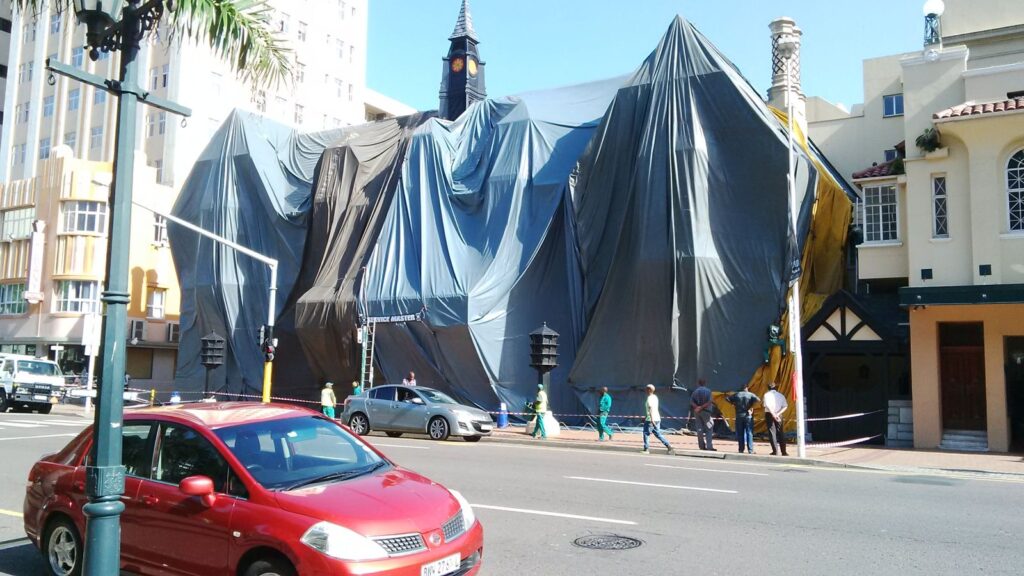
Woodborer Insects
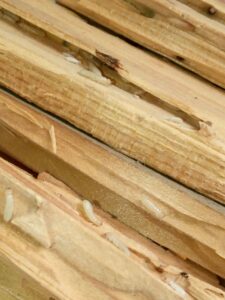
Stored Grain Pests
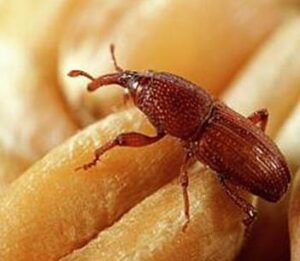
Signs of woodborer that you may need to fumigate your property
- Look for small, round exit holes (typically 1-2 mm in diameter) on the surface of the wood. These holes are often surrounded by fine wood dust or frass.
- Pay attention to any signs of weakened or crumbling wood, especially if it appears honeycombed or has a powdery texture.
- If you notice adult beetles emerging from the wood or find their discarded wings nearby, it’s a clear indication of an infestation.
- Regular inspections, especially in areas prone to woodborer activity, can help you detect and address the issue early. This will minimize potential damage. Read more Signs of a Woodborer Infestation and What you can do About It
Stored Product Pests
Food products are prone to insect infestations such as beetles, moths, mites, and weevils. Controlling stored product pests is challenging as the entire life cycle of the pest (egg, larva/ nymph, pupa and adult) must be addressed. The eggs are resistant to chemical action. The eggs could hatch a few days or weeks after treatment and the client is faced with a continued pest issue. Sulfuryl Fluoride (ProFume Fumigant Gas) has proved 100% effective through all life stages of pest.
Stored product for animal or human consumption can have no remaining toxic residues. Fumigant gases such as ProFume SUFFOCATE the pest on site and the gas dissipates rapidly thereafter.
Signs of Stored Product Pest Infestation
- Small holes, tears and other damage to packaging
- Dust and spillage outside of storage packaging or containers
- Webbing or larvae found on the outside of bags, bins, boxes or packets
- Larvae, pupae or webbing found on sills, shelving, machinery, beams, on or near storage and in and around spillage
- Pests crawling over counters and floors
- Insects found in other pest traps, such as rodent or fly traps
- Insects found inside stored food items
- WARMTH. Elevated grain temperature indicates pest infestation.
- SOUNDS. Ultrasound devices can be used to detect pests within a grain store.
Container fumigation for infested wooden furniture, artefacts and textiles
Export regulations (ISPM15) require container fumigation of goods that may harbor pests. The brown marmorated stink bug, for example, would decimate a country’s fruit and vegetable crops if introduced to an area without natural predators to oppose the pest. Similarly, wooden logs shipped with woodborer beetles pose a risk to the destination port.
Deep-seated infestation in machinery on your premises
Food manufacturers usually run operations 24/7 and any shut-down has costly consequences. ProFume Fumigant Gas has proved an effective treatment within the industry. Since the gas is non-corrosive, fast acting and targets ALL life stages of pest, ProFume is ideal to target the hard to reach areas within the machinary and factory shut-down is minimized.
ISPM-15
International Standards for Phytosanitary Measures No. 15
Fumico offers a full stewardship program which includes ISPM 15 Certification Training. We will even help you with your documentation to ensure there is no delay in completing your application.
What is ISPM 15?
ISPM 15 (International Standards for Phytosanitary Measures No. 15) is the South African wood packaging certification scheme.
Why is ISPM 15 in place?
Dunnage in particular has been shown to present a high risk of introduction and spread of quarantine pests. These guidelines cover all forms of regulated wood packaging material that may serve as a pathway for pests posing a pest risk, mainly to living trees.
They cover wood packaging material such as crates, boxes, packing cases, dunnage, pallets, cable drums and spools/reels.
Wood packaging material subjected to the approved measures will be identified by application of an official mark.This mark consists of a dedicated symbol used in International Standards for Phytosanitary Measures No. 15
ISPM-15
ISPM-15 Mark

How does one recognise a typical Mark?
The figure above shows an example of a Mark. The left square contains the IPPC symbol with the acronym. The right rectangle contains the country code, in this case,South Africa. To the right of that the service providers unique code and below that,the treatment carried out code.In this case the treatment was carried out making use of Sulfuryl Fluoride
Sulfuryl Fluoride and ISPM 15
The NPPC (National Plant Protection Organization) sets down the methodology for treating wood packaging materials with Sulfuryl Fluoride and not Douglas Products who are the manufacturers of ProFume (Sulfuryl Fluoride)
Where can you get ISPM 15 Training Certification?
Fumico provides ISPM 15 training at no cost to qualified, registered fumigators holding a P number in Structure Fumigation. We will also assist you in completing the application documentation to ensure there are no errors which could delay your application.