When should fumigation be done?
Fumigation is a method of pest control or the removal of harmful microorganisms by completely filling an area with gaseous pesticides (or fumigants) to suffocate or poison the pests within. It is used to control pests in buildings, soil, grain, and produce. So when should fumigation be done?
Fumigation for the property owner
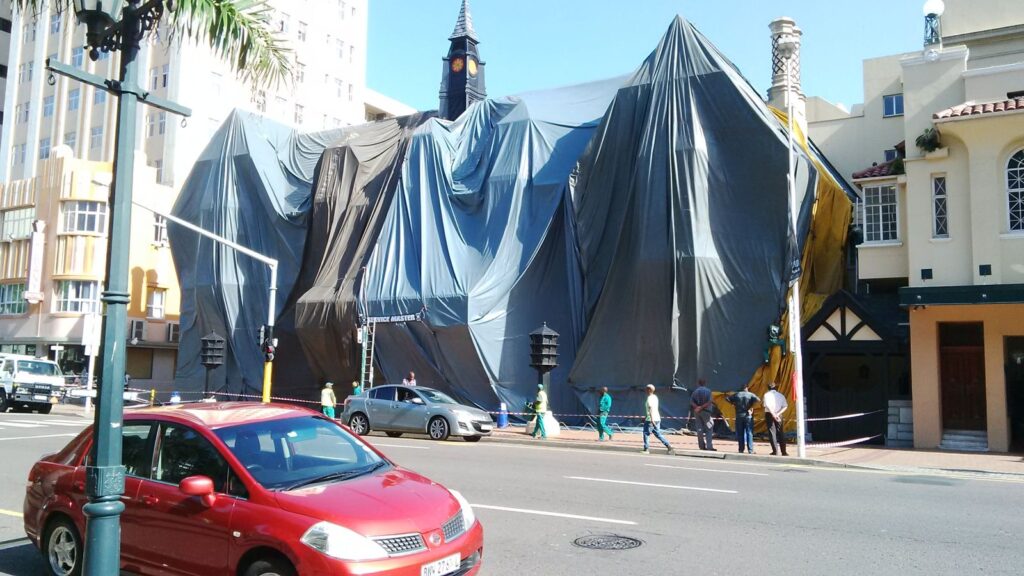
General nuisance pests are usually treated with pest spray products. Fumigation is required for woodboring insects in wooden structures such as termites and beetles. Historic buildings, such as the iconic Playhouse Theater in Durban, tend to attract woodboring pests because of the expanse of timber used in the structure. American homes have more timber than South African homes which are brick and mortar based. Older homes with wooden window frames, hardwood flooring and wooden staircases are commonly susceptible to woodborer but even modern buildings with wooden roof trusses may be at risk too.
Woodborer Insects
Stored Grain Pests
Signs of woodborer that you may need to fumigate your property
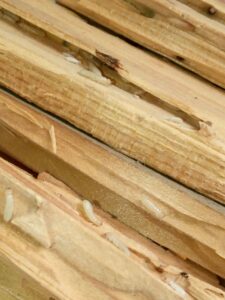
- Look for small, round exit holes (typically 1-2 mm in diameter) on the surface of the wood. These holes are often surrounded by fine wood dust or frass.
- Pay attention to any signs of weakened or crumbling wood, especially if it appears honeycombed or has a powdery texture.
- If you notice adult beetles emerging from the wood or find their discarded wings nearby, it’s a clear indication of an infestation.
- Regular inspections, especially in areas prone to woodborer activity, can help you detect and address the issue early. This will minimize potential damage. Read more Signs of a Woodborer Infestation and What you can do About It
Stored Product Pests
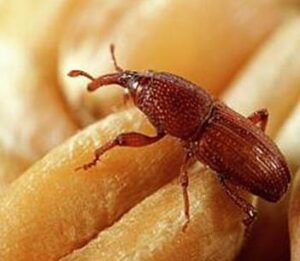
Food products are prone to insect infestations such as beetles, moths, mites, and weevils. Controlling stored product pests is challenging as the entire life cycle of the pest (egg, larva/ nymph, pupa and adult) must be addressed. The eggs are resistant to chemical action. The eggs could hatch a few days or weeks after treatment and the client is faced with a continued pest issue. Sulfuryl Fluoride (ProFume Fumigant Gas) has proved 100% effective through all life stages of pest.
Stored product for animal or human consumption can have no remaining toxic residues. Fumigant gases such as ProFume SUFFOCATE the pest on site and the gas dissipates rapidly thereafter.
Signs of Stored Product Pest Infestation
- Small holes, tears and other damage to packaging
- Dust and spillage outside of storage packaging or containers
- Webbing or larvae found on the outside of bags, bins, boxes or packets
- Larvae, pupae or webbing found on sills, shelving, machinery, beams, on or near storage and in and around spillage
- Pests crawling over counters and floors
- Insects found in other pest traps, such as rodent or fly traps
- Insects found inside stored food items
- WARMTH. Elevated grain temperature indicates pest infestation.
- SOUNDS. Ultrasound devices can be used to detect pests within a grain store.
Container fumigation for infested wooden furniture, artefacts and textiles
Export regulations (ISPM15) require container fumigation of goods that may harbor pests. The brown marmorated stink bug, for example, would decimate a country’s fruit and vegetable crops if introduced to an area without natural predators to oppose the pest. Similarly, wooden logs shipped with woodborer beetles pose a risk to the destination port.
Deep-seated infestation in machinery on your premises
Food manufacturers usually run operations 24/7 and any shut-down has costly consequences. ProFume Fumigant Gas has proved an effective treatment within the industry. Since the gas is non-corrosive, fast acting and targets ALL life stages of pest, ProFume is ideal to target the hard to reach areas within the machinary and factory shut-down is minimized.