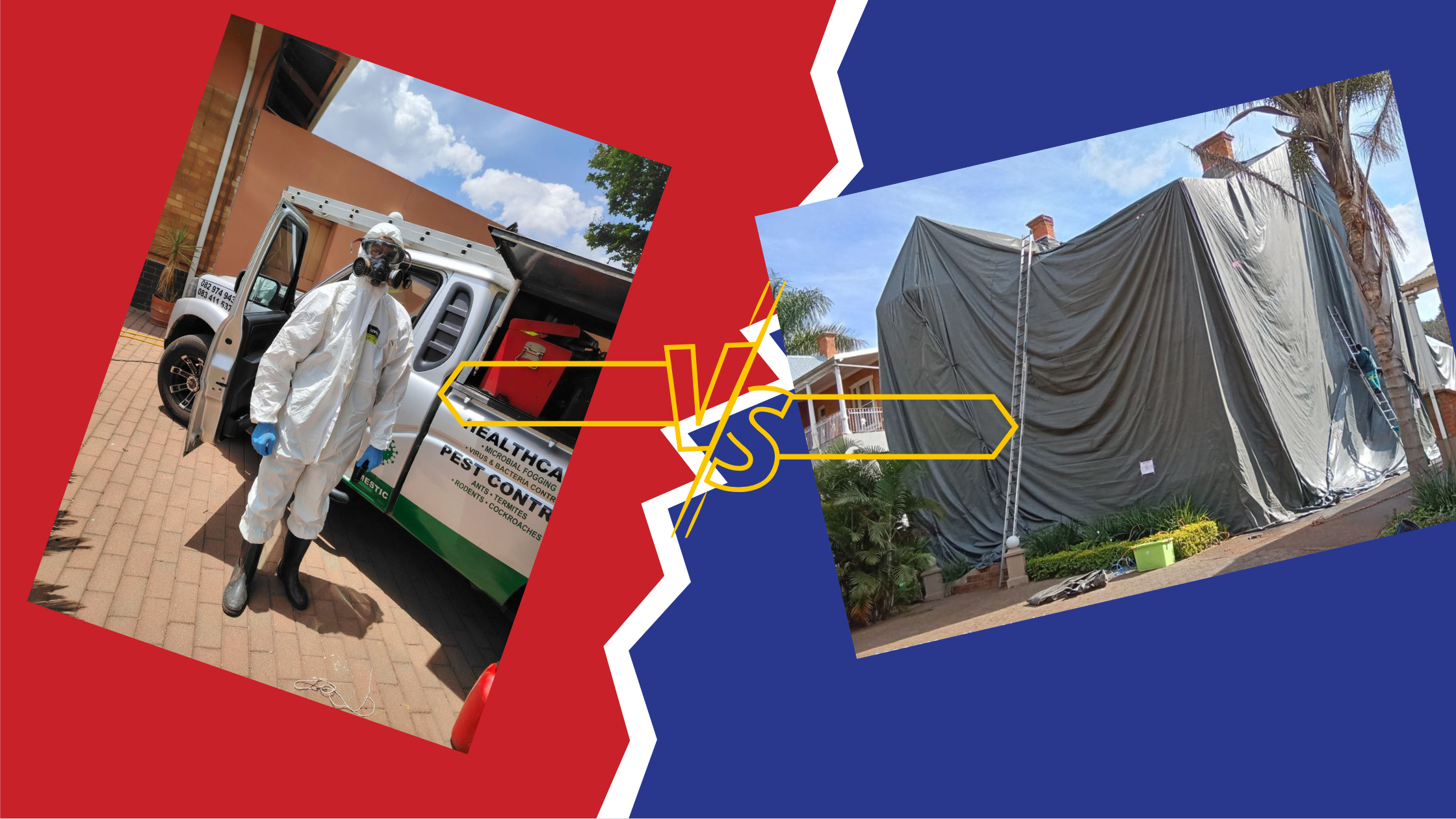
When it comes to managing unwanted pests, it’s important to understand the difference between pest control and fumigation—two distinct approaches that serve different purposes and situations. Knowing which method to use can ensure effective pest management, protect your property, and comply with industry regulations.
What is Pest Control?
Pest control refers to a broad range of methods used to prevent, manage, and eliminate pests such as insects, rodents, and other unwanted organisms. It typically involves targeted treatments applied directly to affected areas or pest habitats.
Common Pest Control Methods
- Chemical Treatments: Use of insecticides, rodenticides, and baits applied as sprays, dusts, or gels.
- Biological Control: Introducing natural predators or parasites to control pest populations.
- Physical Control: Traps, barriers, and exclusion techniques to prevent pest entry or capture pests.
- Cultural Control: Modifying the environment to reduce pest attraction and breeding (e.g., sanitation, waste management).
Ideal Applications for Pest Control
- Residential homes and gardens
- Commercial buildings and offices
- Restaurants and hospitality venues
- Warehouses and storage areas
- Outdoor pest management
Pest control is often the first line of defense and is effective for localized infestations or ongoing pest prevention.
Pest Control for Targeted Treatments

Fumigation is used for severe infestations including stored product, export controls and buildings
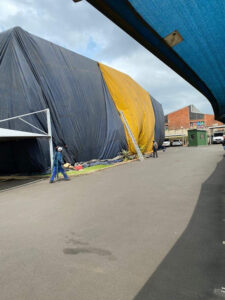
What is Fumigation?
Fumigation is a specialized pest control method that involves enclosing an area or commodity and introducing a gaseous pesticide (fumigant) to penetrate all spaces and kill pests at all life stages—eggs, larvae, pupae, and adults.
When is Fumigation Best Used?
- Export Controls: Many countries require fumigation of goods to prevent the spread of invasive pests.
- Stored Product Fumigation: Grain silos, food warehouses, and storage containers often require fumigation to protect commodities from insect infestation.
- Industrial Food Manufacturing Plants: To ensure hygienic, pest-free environments in large-scale food production.
- Building Fumigation: For severe infestations of termites, wood-boring insects, or other pests in homes and commercial structures.
Fumigation is ideal when pests are hidden in inaccessible areas or when a comprehensive, whole-structure or whole-commodity treatment is necessary.
ProFume Fumigant Gas (Sulfuryl Fluoride): A Powerful Solution
One of the most effective fumigants used today is ProFume, which contains sulfuryl fluoride gas. This colorless, odorless gas penetrates deeply into wood, soil, and enclosed spaces, making it highly effective against pests in all life stages.
Why Choose ProFume?
- Efficacy: Kills eggs, larvae, pupae, and adult pests, ensuring complete eradication.
- Penetration: Reaches pests hidden in cracks, crevices, and deep within materials.
- Non-Flammable: Safer to handle compared to some other fumigants.
- Residue-Free: Leaves no harmful residues on treated surfaces.
Pests Controlled by Sulfuryl Fluoride
ProFume is effective against a wide range of pests, including:
- Termites (subterranean and drywood)
- Wood-boring beetles and powderpost beetles
- Cockroaches
- Bed bugs
- Stored product pests such as weevils, moths, and beetles
- Rodents (in some applications, combined with other control methods)
Summary
- Pest control is a versatile, targeted approach suitable for many everyday pest problems in homes and businesses.
- Fumigation is a specialized, comprehensive treatment best for severe infestations, stored products, export requirements, and industrial settings.
- ProFume (sulfuryl fluoride) is a highly effective fumigant gas that kills all life stages of pests and is widely used in building and commodity fumigation.
Choosing the right method depends on the pest type, infestation severity, and treatment area. For expert advice and professional fumigation or pest control services, always consult licensed specialists.