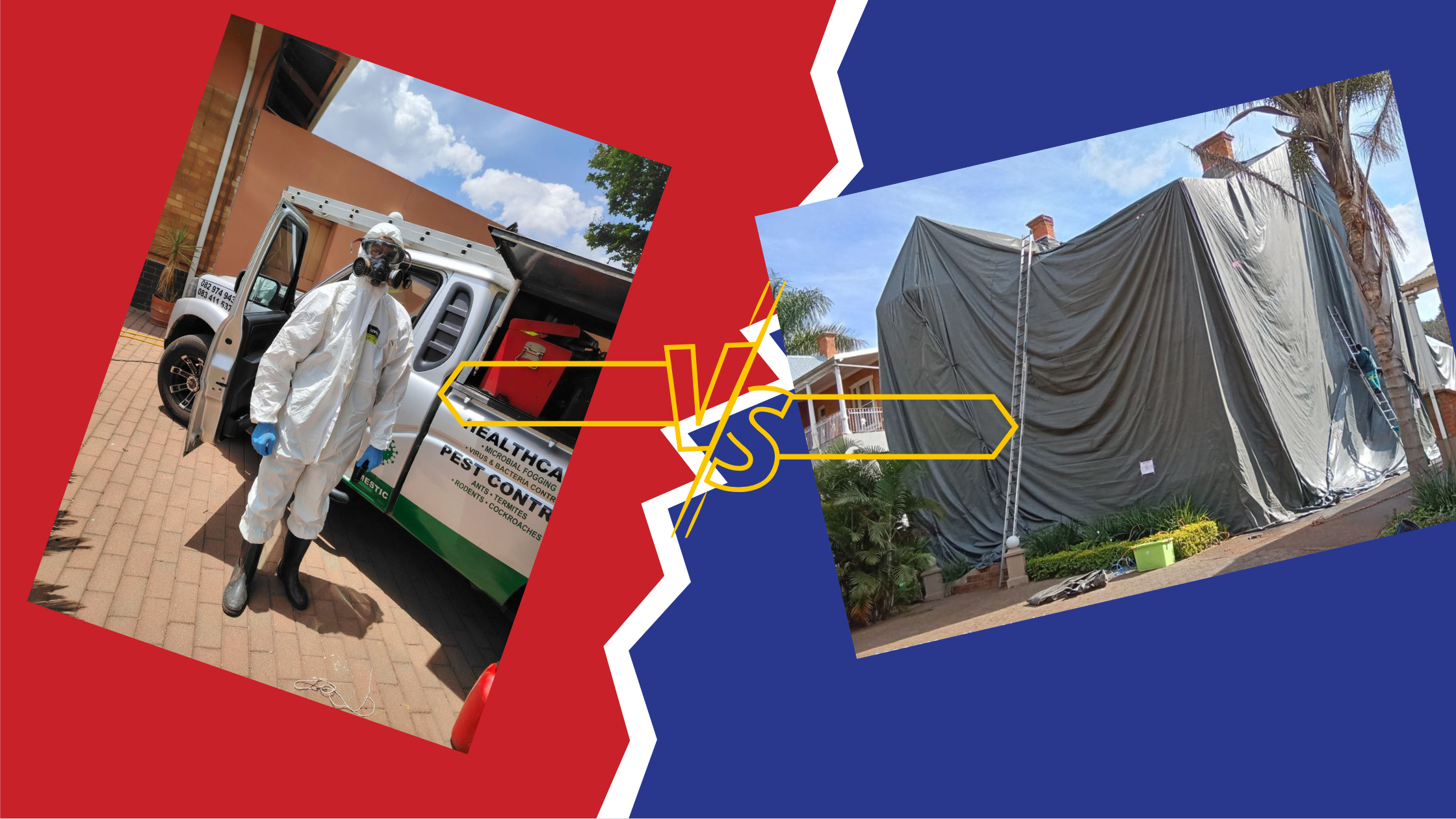
When it comes to managing unwanted pests, it’s important to understand the difference between pest control and fumigation—two distinct approaches that serve different purposes and situations. Knowing which method to use can ensure effective pest management, protect your property, and comply with industry regulations.
What is Pest Control?
Pest control refers to a broad range of methods used to prevent, manage, and eliminate pests such as insects, rodents, and other unwanted organisms. It typically involves targeted treatments applied directly to affected areas or pest habitats.
Common Pest Control Methods
- Chemical Treatments: Use of insecticides, rodenticides, and baits applied as sprays, dusts, or gels.
- Biological Control: Introducing natural predators or parasites to control pest populations.
- Physical Control: Traps, barriers, and exclusion techniques to prevent pest entry or capture pests.
- Cultural Control: Modifying the environment to reduce pest attraction and breeding (e.g., sanitation, waste management).
Ideal Applications for Pest Control
- Residential homes and gardens
- Commercial buildings and offices
- Restaurants and hospitality venues
- Warehouses and storage areas
- Outdoor pest management
Pest control is often the first line of defense and is effective for localized infestations or ongoing pest prevention.
Pest Control for Targeted Treatments

Fumigation is used for severe infestations including stored product, export controls and buildings
What is Fumigation?
Fumigation is a specialized pest control method that involves enclosing an area or commodity and introducing a gaseous pesticide (fumigant) to penetrate all spaces and kill pests at all life stages—eggs, larvae, pupae, and adults.
When is Fumigation Best Used?
- Export Controls: Many countries require fumigation of goods to prevent the spread of invasive pests.
- Stored Product Fumigation: Grain silos, food warehouses, and storage containers often require fumigation to protect commodities from insect infestation.
- Industrial Food Manufacturing Plants: To ensure hygienic, pest-free environments in large-scale food production.
- Building Fumigation: For severe infestations of termites, wood-boring insects, or other pests in homes and commercial structures.
Fumigation is ideal when pests are hidden in inaccessible areas or when a comprehensive, whole-structure or whole-commodity treatment is necessary.
ProFume Fumigant Gas (Sulfuryl Fluoride): A Powerful Solution
One of the most effective fumigants used today is ProFume, which contains sulfuryl fluoride gas. This colorless, odorless gas penetrates deeply into wood, soil, and enclosed spaces, making it highly effective against pests in all life stages.
Why Choose ProFume?
- Efficacy: Kills eggs, larvae, pupae, and adult pests, ensuring complete eradication.
- Penetration: Reaches pests hidden in cracks, crevices, and deep within materials.
- Non-Flammable: Safer to handle compared to some other fumigants.
- Residue-Free: Leaves no harmful residues on treated surfaces.
Pests Controlled by Sulfuryl Fluoride
ProFume is effective against a wide range of pests, including:
- Termites (subterranean and drywood)
- Wood-boring beetles and powderpost beetles
- Cockroaches
- Bed bugs
- Stored product pests such as weevils, moths, and beetles
- Rodents (in some applications, combined with other control methods)
Summary
- Pest control is a versatile, targeted approach suitable for many everyday pest problems in homes and businesses.
- Fumigation is a specialized, comprehensive treatment best for severe infestations, stored products, export requirements, and industrial settings.
- ProFume (sulfuryl fluoride) is a highly effective fumigant gas that kills all life stages of pests and is widely used in building and commodity fumigation.
Choosing the right method depends on the pest type, infestation severity, and treatment area. For expert advice and professional fumigation or pest control services, always consult licensed specialists.
Fumigation South Africa
Fumigation is a pest control method that uses gas or smoke to eliminate pests in homes and businesses in South Africa. It’s often used when other methods aren’t effective or when multiple species of pests need to be treated. Fumigation in South Africa includes chemical fumigants such as phosphine, methyl bromide and sulfuryl fluoride.
How it works
A sealed area is filled with a fumigant gas at a lethal concentration. The gas kills all insects and pests in the area.
Who can fumigate?
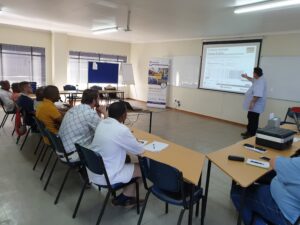
Fumigation should be done by an experienced, reputable pest control company. Certification to use lethal chemicals requires stewardship training in both theoretical and practical application.
Read more about our free stewardship training here…
When is fumigation used in South Africa?
- For widespread infestations,
- To target multiple species of pests at once,
- To treat stored products like grains and food produce,
- To treat wood-destroying organisms, and
- To treat containers for export.
Stewardship Training
Fumigation for export
Specialized fumigation companies.
Many pest control companies specialise in a particular aspect of fumigation such as:
- Woodborer treatments in historical buildings or museums containing artefacts.
- Fumigation services for businesses in logistics and shipping including ISPM 15 certification for cargo and commodities for export.
- Fumigation for residential homes or business buildings.
- Grain silos and other storage facilities.
Other fumigation considerations
The price of fumigation depends on the volume of goods, preparation needed and the gas used. Sulfuryl fluoride fumigant gas is more expensive than its predessesor methyl bromide, for example, but less volume is needed for structural fumigations. This equates to a 60% saving for the client.
Certain pests may have built resistance to a particular fumigant, so an alternate works best. Phosphine resistance has been combatted with the advent of sulfuryl fluoride fumigant gas.
It is important to remove certain items before fumigation such as unsealed food, medication, plants and, of course, all animals including fish in tanks.
Wood Borer
Wood Borer Fumigation in South Africa
The warm, humid conditions of the region are ideal for both hardwood and soft wood pests. Woodboring beetles (encompassing larval and adult phases of life) are uniquely destructive pests which cause extensive damage to building structures. Wood borer fumigation in South Africa underwent a transformative process when sulfuryl fluoride was introduced in 2019. This fumigant gas has proved more efficient and cost effective in the treatment of wood borer than its commonly used predecessor, methyl bromide.
Types of Wood Borer
Common Furniture Beetle (Anobium punctatum): This species is notorious for attacking softwoods, like pine, used in furniture and structural timbers. Their presence is detected by small, round exit holes in the wood.
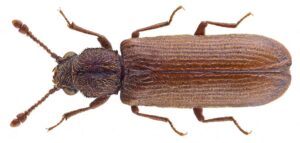
Powderpost Beetles (Lyctidae family): These beetles prefer hardwoods and their larvae can reduce wood to a fine, flour-like powder – hence the name.
Deathwatch Beetle (Xestobium rufovillosum): Often associated with old buildings, these beetles thrive in damp conditions and are known for the ticking sound they produce. Historically, this was seen as an omen of death.
Signs of wood borer
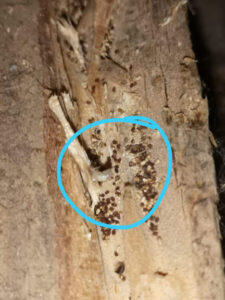
Powderpost beetle
Effectiveness of sulfuryl fluoride (ProFume) on wood boring pests
Dow Chemicals first developed sulfuryl fluoride as a fumigant gas to treat drywood pests in the 1950’s and marketed it under the name ‘Vikane gas fumigant’ in 1961. Sulfuryl fluoride was introduced to South Africa in 2019 under the brand name ProFume fumigant gas as an alternate to methyl bromide. Methyl bromide is being phased out globally for it’s ozone depleting action. To date, sulfuryl fluoride has been used to fumigate millions of historic, landmark buildings in the USA and Europe and South African fumigators have reported 100% effectiveness on all life stages of wood boring pests.
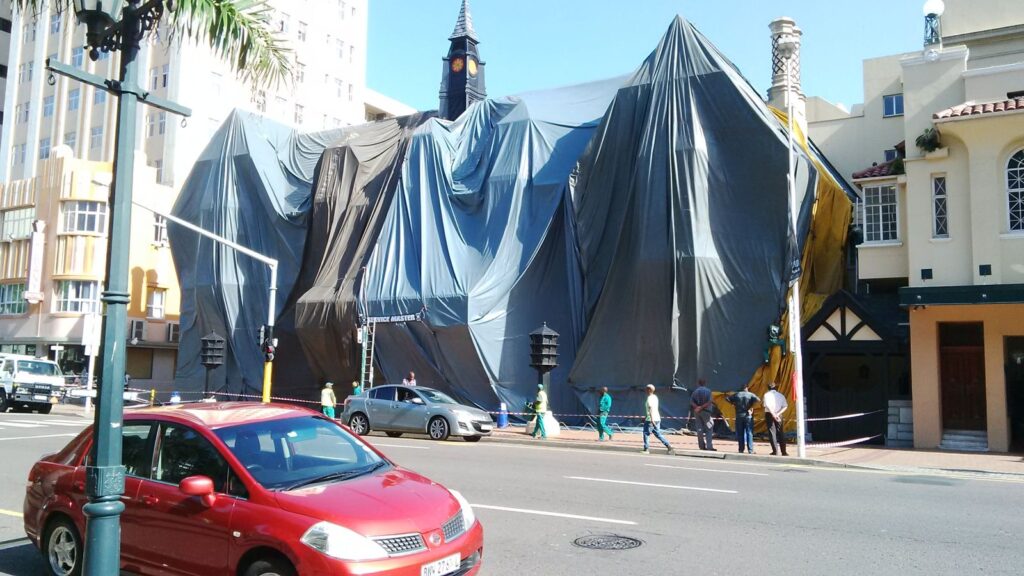
The historic Playhouse Theatre in Durban is designed in the English Renaissance style with black and white exterior, heavy oaken doors and hitching posts. The extent of oak pannelling and heavy wooden trusses in the interior means drywood pests are always a concern.
Cost effectiveness of sulfuryl fluoride for structural fumigation
Although the per kilogram cost of sulfuryl fluoride compared to methyl bromide is higher, the efficacy rate means less chemical is required. Fumigators have reported a 66% cost saving when comparing sulfuryl fluoride application with methyl bromide fumigation on drywood termites.
FAQs about wood borer control and fumigation with sulfuryl fluoride (ProFume)
Q1: What are the early signs of a wood borer infestation?
A: Early signs include small, round exit holes in wooden surfaces, a fine powdery substance known as frass and weakened or crumbling wood. You may hear faint tapping or rustling noises coming from within the wood. These are the sounds of the larvae feeding.
Q2: How can I prevent wood borers from infesting my property?
A: Proper ventilation, dry wood and sealed cracks or gaps help to prevent wood borer infestation. All wood used for construction should be treated. Schedule regular inspections from a professional pest control service to manage any problem before it gets worse.
Q3: Are the chemicals in ProFume safe for my family and pets?
A: Fumigation using ProFume is only done by trained professionals. The site is evacuated for the duration of the treatment and can only be accessed once the site has been ventilated and gas levels have dissipated post treatment.
Q4: How often should I have my property inspected for wood borers?
A: We recommend an annual property inspection if you live in an area prone to wood borer activity (warm and humid conditions). Regular inspections allow for early detection of any infestations which can be treated promptly before they cause significant damage.
Wood borers may be small, but the damage they can inflict on property is substantial. Understand the threat they pose and implement both preventive measures and professional control methods to protect your home or business. With proper care, including regular inspections and moisture control, you can significantly reduce the risk of a wood borer infestation. Should an infestation occur, use a professional pest control service to effectively eliminate these pests and safeguard the integrity of your wooden structures.
Sulfuryl Fluoride
Everything you need to know about Sulfuryl Fluoride
Dow Chemical developed sulfuryl fluoride in the 1950’s to control drywood termites. It was then registered as an insecticide and rodenticide in 1959. This is everything you need to know about sulfuryl fluoride, sold in South Africa under the brand name ProFume® Fumigant Gas.
Sulfuryl fluoride is an odourless gas which is both nonflammable and non explodable. It is stable to store in a steel cylinder for up to 6 years. Although the chemical is in a gas state at atmospheric pressure, it is sold as a pressurized liquefied gas. This is everything you need to know about sulfuryl fluoride.
Background of sulfuryl fluoride fumigant gas
The Dow Chemical Company developed sulfuryl fluoride as a structural fumigant and marketed it as Vikane® in 1961. More than 3 million priceless structures such as cathedrals, historical landmarks and rare-book libraries as well as scientific and medical research laboratories containing highly sensitive electronic equipment have been successfully fumigated with sulfuryl fluoride.
Structure-infesting pests cause costly damage to older homes in warmer climates. Extensive damage from termites and wood-boring beetles may occur before the pests are even noted. Although South Africa’s brick and mortar homes may not collapse as a timber-built home in Florida, USA could, roof trusses, hardwood flooring, wooden bannisters, window frames and of course cupboards and furnishings are at risk to termites and woodborer in warm, humid zones such as Durban, KZN.
Tented fumigation using sulfuryl fluoride has thus far shown 100% efficacy through all life phases of these notorious, hard to reach pests. Cockroaches, rodents and bed-bugs are also eliminated with sulfuryl fluoride treatment.
Postharvest breakthrough with sulfuryl fluoride in 1990’s
Postharvest losses in the United States was estimated at $5 billion per year (Pimental 1991). Insects that infested grains, dried fruits and tree nuts in mills, warehouses and food storage facilities meant product losses. Traditionally, methyl bromide was used to combat postharvest pests but the ozone depleting character of methyl bromide required an alternate solution (per the Montreal Protocol).
In 1995, Dow AgroSciences formed partnerships with leading stored product researchers, fumigators and food industries around the world to evaluate and develop sulfuryl fluoride as a postharvest fumigant. It has proven an effective treatment for all life stages of pest in the postharvest sphere, including phosphine-resistant pests.
Sulfuryl fluoride in South Africa
Fumico is one of two licensed distributors of sulfuryl fluoride in South Africa. It is manufactured and sold under the brand name ProFume® Fumigant Gas. The first fumigation using ProFume was undertaken by us on 8 April 2019
Sulfuryl Fluoride Fumigant Gas
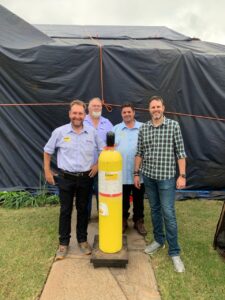
Practical Fumigation with Sulfuryl Fluoride


Uses of Sulfuryl Fluoride
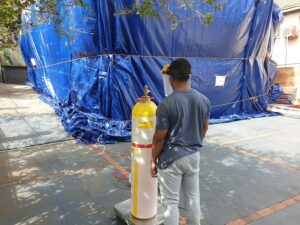
Sulfuryl fluoride is introduced into structures as a gas which fills all air spaces in the enclosed area and penetrate cracks, crevices and pores in the wood. The gas penetrates materials quickly and rapidly but dissipates during the ventilation process. It has been widely used as a fumigant to kill both the eggs and adults of insects such as cockroaches, termites, beetles, moths and flies after exposure of 16–22 hours with a concentration range from 0.5 to 3.5 and 5–77 g m−3 for LD95 for adults and eggs, respectively. Sufuryl fluoride is also used (successfully) on postembryonic forms of fleas, rodents, ants, bees, wasps, spiders, millipedes, bedbugs, silverfish, springtails, earwigs, fire- brats, book lice, and brown dog ticks.
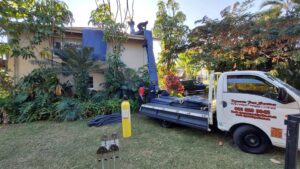
It is crucial to contain sulfuryl fluoride for a sufficient period of time so tenting is used around the structure during fumigation. Any opening is sealed (door frames, window frames, key locks or drainage pipes for example) using a specialized ‘Pink Tape‘. Traditional masking tapes or duct tape are too porous to contain sulfuryl fluoride molecules.
Mechanism of action of sulfuryl fluoride on pest infestations
Sulfuryl fluoride has a complex mode of action. It is thought to be toxic primarily through the action of the fluoride ion which it contains. It inhibits oxygen uptake, disturbs the normal phosphate balance, and inhibits hydrolysis (breakdown) of fatty acids. The fluoride ion in sulfuryl fluoride is thought to bind to calcium (leading to spasms and seizures) as well as potassium and magnesium. Enzymes which require a magnesium ion for their normal function are inhibited by sulfuryl fluoride; these enzymes include enolases (used to metabolize sugar) and ATPase, an enzyme that is important in cellular energy metabolism. The end result is that sulfuryl fluoride prevents stored fats from being utilized, and there is insufficient energy for survival.
You can read more about the chemical action and interactions of sulfuryl fluoride here: Fact Sheet from the Journal of Pesticide Reform
Toxicity management of sulfuryl fluoride
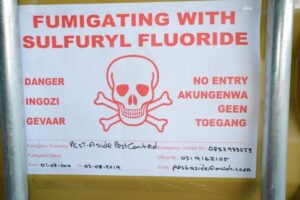
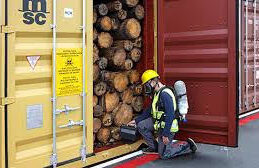
Sulfuryl fluoride is “an extremely hazardous gas.” The most straightforward demonstration of its acute toxicity are the classifications and restrictions placed on itsuse by the U.S. Environmental Protection Agency (EPA). EPA classifies sulfuryl fluoride as a restricted use pesticide. This means that the pesticide must be used by or under the supervision of a certified applicator who is wearing protective clothing. Sulfuryl fluoride is also labeled with the signal word “Danger” by EPA, meaning that it is in the most acutely toxic category of pesticides. Because of sulfuryl fluoride’s acute toxicity, all entrances to the fumigated areas must be posted with a skull and crossbones sign. No one is permitted in the treated area without self-contained breathing apparatus until it has been thoroughly ventilated according to approved procedures and concentrations of sulfuryl fluoride have been measured at less than 5 parts per million.
Efficacy of sulfuryl fluoride in South Africa
Since implementing sulfuryl fluoride in South Africa, we have had a 100% success rate in treating all life stages of pest and has even proven effective against phosphine resistant pests. We estimate over 60% of all fumigations are now undertaken with sulfuryl fluoride. Structural fumigation using sulfuryl fluoride is most cost effective as the quantity of gas required is significantly reduced. Read more When Pesticides No Longer Work
A global search for alternate fumigants for export markets
As methyl bromide is phased out globally, alternatives such as phosphine (PH3), ethyl formate (EF) used in quarantine procedures and ethanedinitrile (EDN) have been introduced in various global markets. Each alternative has distinct disadvantages though:
- EF has a high sorption rate and lower permeability because of its lower vapor pressure compared with other fumigants
- Phospine requires a longer fumigation time than MB or EDN and certain pests have become resistant to it.
- EDN is expensive, costing more than twice that of MB, without a significant difference in the treatment efficacy or convenience of use
ProFume Sulfuryl fluoride, however, has shown tangible efficacy in controlled studies such as this one:
The future of sulfuryl fluoride in South Africa
Aligned to the global trend to find more environmentally friendly fumigants, sulfuryl fluoride shows robust promise to replace methyl bromide for all structural fumigations and most postharvest pest management and ISPM15 export requirements.
To date, the efficacy of sulfuryl fluoride is 100% against all life stages of pest. Since it is effective against phosphine resistant pests, its use is warranted in postharvest applications where phosphine may have dominated a decade ago.
Structural fumigation with sulfuryl fluoride is definitively more cost effective than methyl bromide due to its sorption and penetration results. Postharvest use of sulfuryl fluoride is more expensive than methyl bromide, but its effectiveness offers a degree of quality assurance beyond MB.
As more global markets test and accept sulfuryl fluoride results in ISPM15 commodities, the use of sulfuryl fluoride in export markets will exponentially rise.
Within the food manufacturing industry where senstive electrical equipment forms part of automated manufacturing processes, sulfuryl fluoride is essential. Not only is it able to penetrate into the deep recesses of machinary, it does no damage to electrical components and will not effect the taste, colour or aroma of the product.
The use of sulfuryl fluoride is set to increase globally and in South Africa in the forseeable future.
When should fumigation be done?
When should fumigation be done?
Fumigation is a method of pest control or the removal of harmful microorganisms by completely filling an area with gaseous pesticides (or fumigants) to suffocate or poison the pests within. It is used to control pests in buildings, soil, grain, and produce. So when should fumigation be done?
Fumigation for the property owner
General nuisance pests are usually treated with pest spray products. Fumigation is required for woodboring insects in wooden structures such as termites and beetles. Historic buildings, such as the iconic Playhouse Theater in Durban, tend to attract woodboring pests because of the expanse of timber used in the structure. American homes have more timber than South African homes which are brick and mortar based. Older homes with wooden window frames, hardwood flooring and wooden staircases are commonly susceptible to woodborer but even modern buildings with wooden roof trusses may be at risk too.
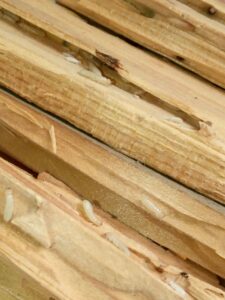
Woodborer Insects
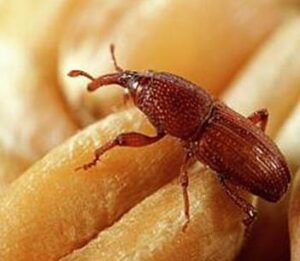
Stored Grain Pests
Signs of woodborer that you may need to fumigate your property
- Look for small, round exit holes (typically 1-2 mm in diameter) on the surface of the wood. These holes are often surrounded by fine wood dust or frass.
- Pay attention to any signs of weakened or crumbling wood, especially if it appears honeycombed or has a powdery texture.
- If you notice adult beetles emerging from the wood or find their discarded wings nearby, it’s a clear indication of an infestation.
- Regular inspections, especially in areas prone to woodborer activity, can help you detect and address the issue early. This will minimize potential damage. Read more Signs of a Woodborer Infestation and What you can do About It
Stored Product Pests
Food products are prone to insect infestations such as beetles, moths, mites, and weevils. Controlling stored product pests is challenging as the entire life cycle of the pest (egg, larva/ nymph, pupa and adult) must be addressed. The eggs are resistant to chemical action. The eggs could hatch a few days or weeks after treatment and the client is faced with a continued pest issue. Sulfuryl Fluoride (ProFume Fumigant Gas) has proved 100% effective through all life stages of pest.
Stored product for animal or human consumption can have no remaining toxic residues. Fumigant gases such as ProFume SUFFOCATE the pest on site and the gas dissipates rapidly thereafter.
Signs of Stored Product Pest Infestation
- Small holes, tears and other damage to packaging
- Dust and spillage outside of storage packaging or containers
- Webbing or larvae found on the outside of bags, bins, boxes or packets
- Larvae, pupae or webbing found on sills, shelving, machinery, beams, on or near storage and in and around spillage
- Pests crawling over counters and floors
- Insects found in other pest traps, such as rodent or fly traps
- Insects found inside stored food items
- WARMTH. Elevated grain temperature indicates pest infestation.
- SOUNDS. Ultrasound devices can be used to detect pests within a grain store.
Container fumigation for infested wooden furniture, artefacts and textiles
Export regulations (ISPM15) require container fumigation of goods that may harbor pests. The brown marmorated stink bug, for example, would decimate a country’s fruit and vegetable crops if introduced to an area without natural predators to oppose the pest. Similarly, wooden logs shipped with woodborer beetles pose a risk to the destination port.
Deep-seated infestation in machinery on your premises
Food manufacturers usually run operations 24/7 and any shut-down has costly consequences. ProFume Fumigant Gas has proved an effective treatment within the industry. Since the gas is non-corrosive, fast acting and targets ALL life stages of pest, ProFume is ideal to target the hard to reach areas within the machinary and factory shut-down is minimized.
Pest Fumigation Trends 2024
Emerging Pest Control Trends in 2024
Consumer Requirements
In an ever-evolving industry, staying abreast with the emerging fumigation pest control trends of 2024 is essential. Global researchers have identified distinct changes within the consumer focus. Offering products and services to alighn with these changes will future-proof you business in 2024 and beyond.
Provide Eco-friendly Solutions
Consumers are developing an increasing interest in eco-friendly solutions to reduce their carbon footprint on the planet. There is a growing need for pest control companies to provide a ‘green’ alternative to toxic chemical use and/or ozone depleting fumigants.
Statistically, 92% of homeowners are actively searching for more sustainable solutions to their challenges.
Environmentally Conscious Alternatives you may offer
-
Integrated Pest Management
IPM (i.e. integrated pest management) is an effective, environmentally conscious approach to pest control that relies on a combination of common sense practices.
IPM is not a single pest control method but a series of pest management evaluations, decisions and controls. In practicing IPM, consumers who are aware of the potential for pest infestation will follow a four-tiered approach. The four steps include:
Grow with the industry trends of 2024

Eco-friendly solutions take precedence
Set Action Thresholds
Before taking any pest control action, IPM first sets an action threshold; a point at which pest populations or environmental conditions indicate that pest control action must be taken. Sighting a single pest does not always mean control is needed. The level at which pests will become an economic threat is critical to guide future pest control decisions.
Monitor and Identify Pests
Not all insects, weeds, and other living organisms require control. Many organisms are innocuous. Some are even beneficial. IPM programs work to monitor for pests and identify them accurately so appropriate control decisions can be made. This is done in conjunction with action thresholds.
When pests are monitored and identified appropriately, pesticides will not be used unneccesarily. This also mitigates the use of the wrong pesticide.
Prevention
As a first line of pest control, IPM programs work to manage the crop, lawn, or storage space to prevent pests from becoming a threat. In an agricultural crop, this may include cultural methods. Rotate between different crops, select pest-resistant varieties and plant pest-free rootstock. These control methods can be very effective and cost-efficient and present little to no risk to people or the environment.
Control
If all the above steps prove insufficient, IPM programs will evaluate the proper control method for effectiveness and risk. The most effective and least risky pest controls are chosen first. Highly targeted chemicals, (such as ProFume fumigant gas), pheromones which disrupt pest mating or mechanical control (such as trapping, weeding or barrier systems). Additional pest control methods, such as targeted spraying of pesticides or broadcast spraying of non-specific pesticides is a last resort.
2. Eco-friendly Products
IPM uses eco-friendly products, but you can also offer individualized alternatives to your clients. By offering green, eco-friendly pest control pesticides to clients, you can:
- Reach a new client segment
- Provide the best long-term results
- Minimize hazardous effects on people, wildlife, and earth
- You can kick your eco-friendly game up a notch by offering clients natural, organic repellents or look into introducing natural pest predators (ladybugs snack on aphids for example) as an alternate solution to pesticides.
Technology to improve pest control operations
1. Drones
Safe roof inspections are one of the primary concerns for professional pest controllers in both the residential and commercial pest control spaces. Drones (camera-equipped unmanned aerial vehicles) offer a safe, effective and efficient alternative to sending techs up a ladder to search for entry points of infestations on rooftops. A skilled technician can adeptly perform inspections with feet firmly planted on the ground.
2. Consider incorporating integrated software into your business.
Quotes, invoices, statements, wages, payroll and supplier payments demand a level of administration many in the industry have little time for. The business owner who spends the majority of his time in the field: meeting with customers, facilitating operations and doing follow-up inspections can be overwhelmed by the ‘paperwork’ that awaits at the end of a long day on the road.
A cloud based accounting platform such as Sage allows you to collaborate with your accountant/bookkeeper without requiring a face-to-face meeting. Business management tools include seamless integration from quote to invoice and statement. You can also import your business bank statement directly to the platform and calculate your realtime cost of sales, profits or loss with VAT and taxes calculated for you.
Take a look at The Best Small Business Accounting Software for South African SME’s to refine your search.
Custom Customer Services is KEY!
66% of consumers expect companies to understand their unique needs and expectations while 52% of consumers expect custom offers. Currently, only 34% of businesses treat clients as unique individuals.
The demand for personalized experiences continuesd to trend upwards. Address each client as an individual with unique needs and your business will quickly stand out from the competition.
Some custom plan options:
- Allow clients to add cross-sells and upsells to their plan to create custom packages. For example: does your client need hygiene services as well as pest control services?
- Address the unique needs of every property with custom services
E.g. provide a professional consultation to apply pesticides in targeted areas for specific pests and exterminate known pests with strategically placed traps for rodents perhaps?
Convenience is a solution in itself.
83% of consumers believe convenience to be more important than ever and 52% of consumers say half or more of their purchase decisions are influenced by convenience.
Your business needs to offer convenient solutions to clients in order to be successful in 2024 and thereafter.
- Offer after hours services for industries who simply cannot afford to shut down during regular business hours. Fumico is prepared to supply ProFume gas over a weekend in such emergency situations too.
- Consider implementing an online, after hours booking program with automated scheduling capabilities as hotels, guest houses and beauty salons use with ease.
- The efficiency of the products you use can save your customer millions over the long term. In one such case, ProFume was used effectively and efficiently within a bakery on a 24/7 work schedule. In this case study, fumigation commenced at 16:00 and the site was operational again by 09:00 the following day. See more at ProFume in the food manufacturing industry.
COP28 UAE
28th Conference of the Parties (COP28) in UAE
COP28 Presidency put food systems transformation on the global climate agenda
The COP28 Presidency put food systems transformation on the global climate agenda as more than 130 world leaders met at the 28th such summit held in Dubai, UAE this week.
A range of initiatives supporting food and climate action were announced during the first thematic session of the World Climate Action Summit. The event was featured by Giorgia Meloni, Prime Minister of Italy, Fiamē Naomi Mataʻafa, Prime Minister of Samoa, Samia Suluhu Hassan, andJoko Widodo, President of Indonesia and Anthony J. Blinken, Secretary of State for the United States of America.
More than $2.5 billion has been mobilized by the global community to support the food-climate agenda. H.E. Mariam bint Mohammed Almheiri, UAE Minister of Climate Change and Environment and COP28 Food Systems Lead announced this during the session.
Over 130 countries – representing over 5.7 billion people, 70 per cent of the food we eat, nearly 500 million farmers and 76 percent of total emissions from the global food system – have signed up to the leaders-level ‘COP28 UAE Declaration on Sustainable Agriculture, Resilient Food Systems, and Climate Action.’
The UAE and the Bill & Melinda Gates Foundation launched a $200 million partnership for Food Systems, Agriculture Innovation and Climate Action. This is focused on agricultural research, scaling agricultural innovations and funding technical assistance for implementing the Declaration.
Addressing both global emissions and protecting the lives and livelihoods of farmers living on the frontline of climate change are core elements of the COP28 Food Systems Agenda.
COP28 UAE

COP28 UAE Presidency puts food systems transformation on Global Climate Agenda

Dubai, 1 December 2023
Landmark agriculture, food and climate action declaration
The COP28 Presidency today announced that 134 world leaders have signed up to its landmark agriculture, food and climate action declaration. The mobilization of more than USD$2.5 billion in funding to support food security while combatting climate change was also announced. This is a new partnership between the UAE and the Bill and Melinda Gates Foundation for food systems innovation in the fact of climate change.
The ‘COP28 UAE Declaration on Sustainable Agriculture, Resilient Food Systems, and Climate Action’ (the Declaration) was announced at a special session of the World Climate Action Summit (WCAS). This was led by Joko Widodo, President of Indonesia Giorgia Meloni, Prime Minister of Italy, Fiamē Naomi Mataʻafa, Prime Minister of Samoa and Anthony J. Blinken, Secretary of State for the United States of America. The Declaration addresses both global emissions while protecting the lives and livelihoods of farmers who live on the frontlines of climate change.
Food systems and agriculture have marked impact on climate
“There is no path to achieving the goals of the Paris Climate Agreement and keeping 1.5C within reach, that does not urgently address the interactions between food systems, agriculture, and climate. ”
– H.E. Mariam bint Mohammed Almheiri, UAE Minister of Climate Change and Environment and COP28 Food Systems Lead.
“Countries must put food systems and agriculture at the heart of their climate ambitions. This addresses both global emissions and protecting the lives and livelihoods of farmers living on the front line of climate change. Today’s commitment from countries around the world will help to build a global food system fit for the future,” she added.
The 134 signatory countries to the Declaration are home to over 5.7 billion people and almost 500 million farmers, produce 70 percent of the food we eat, and are responsible for 76 percent all emissions from global food systems or 25 percent of total emissions globally.
Address hunger and climate change simultaneously
Endorsement of the Declaration will help in strengthening food systems, building resilience to climate change, reducing global emissions, and contributing to the global fight against hunger, aligned with the UN Sustainable Development Goals (SDGs). The Declaration – the first of its kind for the COP process – stresses the need for common action on climate change, which adversely affects a large portion of the world’s population, particularly those living in vulnerable countries and communities.
“Today signals a turning point, embedding sustainable agriculture and food systems as critical components in both dealing with climate change and building food systems fit for the future. Together we will deliver lasting change for families, farmers and the future,” said H.E Almheiri.
One third of greenhouse emmissions linked to food supply
While food systems are vital for meeting societal needs and enabling adaptation to climate impacts, they are also responsible for as much as a third of global greenhouse gas emissions. Many smallholder farmers in low- and middle-income countries are also facing heightened vulnerability to climate change.
Key announcements made at the session today include:
- The UAE and the Bill & Melinda Gates Foundation launched a USD$200 million partnership for Food Systems, Agriculture Innovation and Climate Action, focused on agricultural research, scaling agricultural innovations and funding technical assistance for implementing the Declaration.
- The UAE is joining the CGIAR, a global partnership that unites international organizations engaged in research about food security, resilience, and climate adaptation.
- COP28 and a group of partners announced a collaborative effort to offer countries quality technical cooperation and to help deliver on the objectives of the Declaration. The partners behind the Technical Cooperation Collaborative pledged more than USD$200 million in new and newly aligned support, while also committing to increase coordination across their wider portfolios.
- COP28 UAE, together with the World Business Council on Sustainable Development (WBCSD) and the Boston Consulting Group (BCG), supported by the UN Climate Change High-Level Champions, launched the Action Agenda on Regenerative Landscapes. This will see leading food and agriculture organizations join forces to scale regenerative agriculture, transitioning 160 million hectares to regenerative agriculture by 2030, accompanied by USD$2.2 billion in future investment, and engaging 3.6 million farmers world-wide.
- The High-Level Champions, in collaboration with non-government actors including farmers, Indigenous Peoples, consumers, cities, youth, businesses, financial institutions, philanthropies and others, launched a Call to Action for Transforming Food Systems for People, Nature, and Climate, in support of the Declaration and to highlight the urgent need to take action on food systems by all actors.
The COP28 Food Systems and Agriculture Agenda has four pillars, covering national leadership, non-state actors, scaling up innovation, and finance.
COP28 is also working with representatives from every stage of the food system and agriculture value chain, including farmers, civil society, businesses, and local governments to accelerate the transition to regenerative agriculture.
The full list of countries who have signed the Declaration can be found here.
What this could mean for fumigators in South Africa
Since the Montreal Protocol of 2004, countries have been encouraged to switch fumigation products for lower ozone depletion. South Africa took the decision to phase out Methyl Bromide by March 2015. An advantage of phasing out methyl bromide is a reduced risk contribution to the depletion of the ozone layer. You can read more about this in this article: Methyl bromide ban holds significant challenges for food industry
After a scramble by South African fumigators to find an alternative fumigant to methyl bromide, sulfuryl fluoride (brand name ProFume gas fumigant) was introduced to South Africa in 2019.
Sulfuryl Fluoride is practically non-reactive in the atmosphere. So, it is not expected to destroy ozone. Sulfuryl fluoride has replaced many uses of methyl bromide. Methyl bromide is classified as a “Class I Ozone Depleting Substance” by the EPA. This would indicate that expanded use of ProFume fumigant gas could contribute to COP28’s indicated goal for food systems transformation on climate agenda.
Methyl Bromide
Why is Methyl Bromide being phased out?
The Montreal Protocol of 2004 ratified that methyl bromide use would be phased out globally. Methyl Bromide is one of the substances to have a significant effect on the depletion of the ozone layer.
What Is Methyl Bromide?
Methyl bromide is an odorless, colorless gas used to control a wide variety of pests in agriculture and shipping. This includes fungi, weeds, insects, nematodes (roundworms) and rodents.
Agricultural growers inject methyl bromide about half a meter into the ground to sterilize the soil before crops are planted. The soil is covered with plastic tarps immediately after a treatment but 50 to 95 percent of the methyl bromide eventually enters the atmosphere.
Methyl bromide is a toxic substance. It is most dangerous at the fumigation site because it dissipates rapidly into the atmosphere. Human exposure to high concentrations of methyl bromide can cause central nervous system and respiratory system failures and can harm the lungs, eyes, and skin.
The Montreal Protocol

Methyl bromide is mainly used for the fumigation of commodities in stacks, bins and soils that are urgently needed in the food and beverage industry It plays an important role in the emergency treatment of incoming stock and pest-infested areas.
Methyl bromide damages the ozone layer
In the atmosphere, methyl bromide depletes the ozone layer and allows increased ultraviolet radiation to reach the earth’s surface. Methyl bromide is a Class I ozone-depleting substance (ODS), as defined by the Montreal Protocol on Substances that Deplete the Ozone Layer.
The Phaseout of Methyl Bromide
It was determined at The Montreal Protocol of 2004 that developed countries would incrementally phase out the use of methyl bromide by January 2005. Developing nations were given a target to implement the same by 2015.
In March 2012, the South African Department of Agriculture, Forestry and Fisheries warned that, owing to increased international pressure to ban the use of the fumigant worldwide, they could not guarantee methyl bromide’s availability past 2015.
The global decrease in demand for methyl bromide (as a result of its phasing out) reduced production capacity of the fumigant. This inflated the costs of fumigation using the product.
Methyl Bromide Alternatives
Both chemical and non-chemical alternatives to methyl bromide exist. In most cases, these alternatives can manage the pests previously controlled with methyl bromide. For example, steam sterilization of soil is a viable alternative to using chemical fumigants for certain pests and soil types. Harvesters can also use integrated pest management techniques as well as pheromone, electrocution and light traps to manage or monitor pest populations.
Although originally manufactured for use in structural fumigations, Sulfuryl Fluoride (ProFume) has proved an effective chemical alternative to methyl bromide across numerous applications in the postharvest sphere. This includes pests resistant to phosphine.
ProFume has also gained acceptance in some global markets for quarantine applications. Douglas Products continue to test and register proven applications of sulfuryl fluoride (ProFume/Vikane) worldwide.
Methyl Bromide going forward.
Methyl bromide users can apply for a critical use exemption. In California, USA, strawberry harvesters significantly reduced the use of methyl bromide but have since used the critical use exemption application to incrementally increase methyl bromide use again. The state still records a 50% reduction in methyl bromide use, but numbers can improve.
The EPA rulemakings and the decisions of the Parties to the Montreal Protocol authorize the critical uses of methyl bromide. The use of methyl bromide is deemed “critical” only if it meets the following criteria:
- Lack of methyl bromide availability would result in a significant market disruption.
- No technically and economically feasible alternatives or substitutes are available.
Sulfuryl Fluoride was first used in South Africa in April 2019. It’s proven efficacy against a broad spectrum of pests in all life stages has shown it to be a viable alternative to methyl bromide. Its application and success continues to develop. This means the phase out of methyl bromide can be now be implemented.
Your Stored Commodity Pest Guide
The warm, tropical climate of Africa is particularly conducive to stored commodity pests. The rate of insect proliferation in storage structures can be alarmingly high. In our continued effort to manage the problem effectively, we offer insight to pests we deal with throughout South Africa.
Internal and External Feeders
Insects that feed on and damage stored commodities such as grains and seeds can be divided into two groups. The first group of insects are INTERNAL FEEDERS. These insects spend most of their lives feeding within the kernel of grain. One example of an Internal Feeder is the Granary Weevil (Sitophilus granaries).
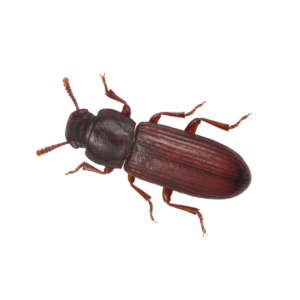
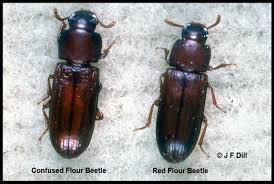
The second group of insects are EXTERNAL FEEDERS. These insects spend their lives feeding on the surface of grains and seeds or on the finished product itself, such as flour. One example of an External Feeder is The Confused Flour Beetle (Tribolium confusium) and is a major stored commodity pest problem.
Characteristics of the Confused Flour Beetle (External Feeder)
Colour – Red to dark brown in colour. Approximately 3 – 4mm in length.
Antenna – Antenna gradually thicken in size. There are 4 clubs on each antenna
Adult life span – 2 to 3 years
Amount of eggs female lays – 300 to 400 eggs in her lifetime, loosely in the food
Food – Feeds on broken grains, broken seeds, grain dust and processed food such as flour, dried fruit and spices etc.
Breeding – Breeding takes place between the temperatures of 20° Celsius and 37° Celsius. Optimum development occurs in the range of 32° Celsius and 35° Celsius
Flight – They cannot fly
External Feeder - Confused Flour Beetle
Internal Feeder - Granary Weevil
Comparing the Confused Flour Beetle and Red Beetle
Signs of pest infestation in stored commodities
Heated grain, sharp smell and large volumes of dead beetles in the commodity, causes infested commodity to go mouldy.
Managing Confused Flour Beetles
Facilities where food commodities are kept should be built in such a way that they are easy to maintain and clean. They should be well insulated, well ventilated and damp-proof. Cracks and crevices, are harbourage places for The Confused Flour Beetle, as this is where grain dust settles and should be kept to a minimum.
The facility is to be maintained and cleaned on a regular basis with management carrying out regular inspections. Stacks of commodities are to be placed in a neat orderly fashion in the warehouse, packed onto pallets. Older stock is to be used/shipped out first.
Infested commodities are to be placed in a quarantine area, away from non-infested commodities to avoid cross infestation and fumigated as soon as possible with ProFume Fumigant.
Treatment
• The facilities themselves must be treated with a residual insecticide on a regular basis. Special attention should be given to cracks and crevices, corners, walls, beams and pallets.
The residual insecticide used must be registered for use in Food Commodity Storage Facilities.
The Labels instructions are to be strictly followed at all times.
- ProFume Fumigant – Fumigate food commodities using ProFume Fumigant.
- Food Commodities are registered to be fumigated making use of ProFume Fumigant (see label).
- Fumigating with ProFume Fumigant gives the warehouse manager/mill manager the luxury of having Food Commodities effectively fumigated over a 24 hour period.
- ProFume Fumigant kills the egg to the adult stage of insects.